
Trimethylglycine Unveiled: Your Personal Health Revolution Begins Now 2026
Key Takeaways
- Trimethylglycine (TMG) supports heart, liver, and brain health.†
- Helps control homocysteine for cardiovascular balance.†
- Found naturally in beets, spinach, and grains.†
- May help with performance, mood, and recovery.†
📖 Table of Contents
What is Trimethylglycine?
This interesting compound has caught the eye of health and wellness circles. TMG, also known as betaine, is a nutrient you can find in foods like beets, spinach, and whole grains. (1)
Its name, trimethylglycine, reflects its chemical structure. This structure consists of three methyl groups attached to a glycine molecule.†
So what does it do?
TMG helps your body use methyl groups/methylation. These methyl groups are small chemical units that support DNA repair, liver detox, and brain health.†
In supplements, TMG often comes from beetroot extract due to its high concentration. Many people take it to support metabolism, heart health, and energy balance.†
See this NIH review on betaine metabolism.

Health benefits
Research suggests TMG can support several important functions in the body.†
1. Cardiovascular support
TMG may help balance homocysteine levels in the blood. High levels of homocysteine are linked to heart and blood vessel problems. By supporting normal levels, TMG may help promote cardiovascular health. (1,2,3)
2. Liver function
The liver depends on methylation for detox and fat processing. TMG helps these reactions work smoothly. This may support healthy liver enzyme levels and prevent fat buildup in the liver. (1,4,5)
3. Exercise performance
TMG might improve exercise endurance and recovery. Some studies suggest it can help muscles produce energy and reduce fatigue. (1,6,7)
These effects make it a common ingredient in performance supplements.†
4. Cognitive health
TMG supports the production of neurotransmitters that affect focus and memory. It helps the brain maintain clear communication between cells. (1,8,9,10)
This may improve attention and overall cognitive performance over time.†
5. Mood and stress management
TMG also helps balance neurotransmitters that influence mood and energy. Research suggests it may help reduce feelings of stress and mental fatigue. (1,5,11,12)
6. Inflammation modulation
TMG may have mild anti-inflammatory effects. Some research shows it can help the body manage inflammation and support recovery. (1,4,13)
Note: TMG affects different people in different ways. Make sure to consult your doctor before you start taking any new supplement.
Similar to TMG
TMG shares similar features with a few other nutrients. Understanding these helps you choose the right one for your needs.
1. Dimethylglycine (DMG)
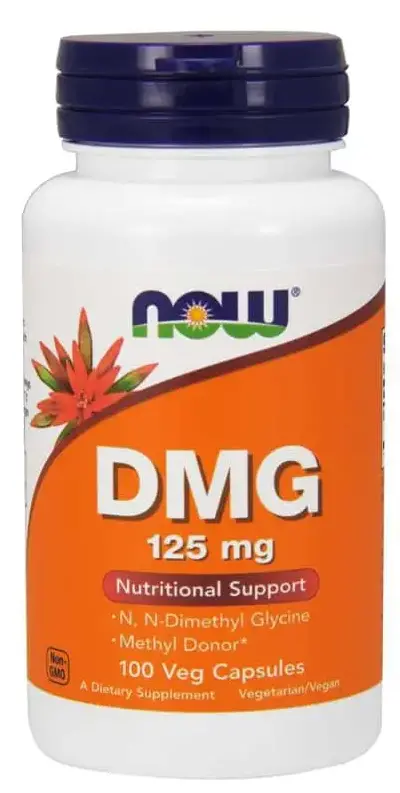
DMG is a close relative of TMG. It has two methyl groups instead of three. (14,15)
Both support methylation, but DMG is more often used for energy and oxygen use in the body. (14,15)
If your goal is heart support, TMG might be better. But if you want to support endurance or energy, DMG may be a better fit.††
2. Methionine and Folate
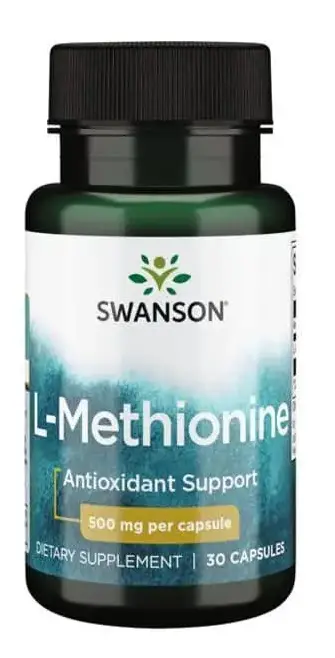
Methionine and folate are both involved in methylation. Folate helps recycle molecules that methylation depends on, while methionine donates methyl groups. (16,17,18)
Together with TMG, they help maintain normal metabolism and homocysteine levels. (16,17,18)
3. Choline
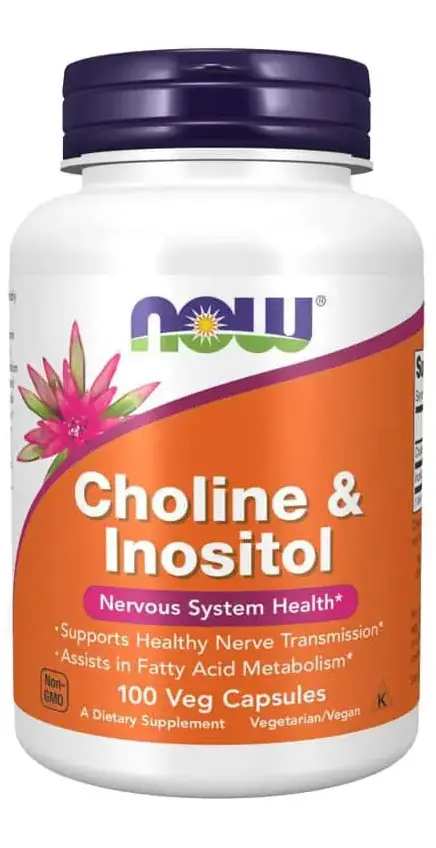
Choline is another nutrient that donates methyl groups. It supports brain function, liver health, and cell structure. While different from TMG, both share key roles in maintaining methylation and health. (19,20,21,22)
4. S-Adenosylmethionine (SAMe)
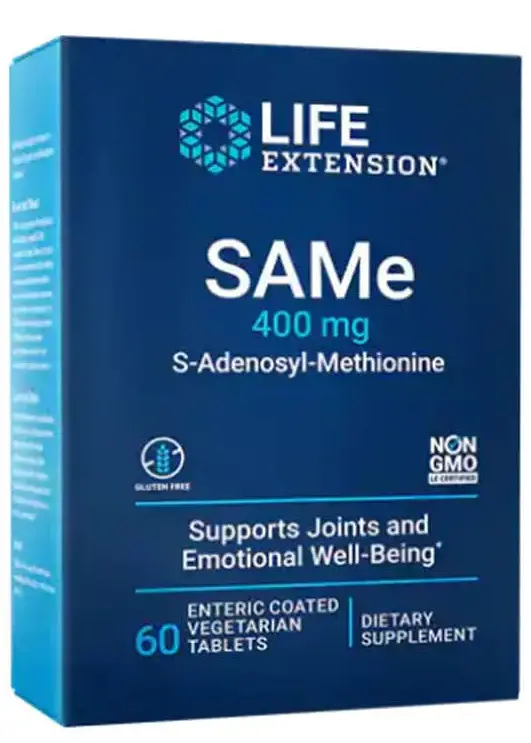
SAMe aids in methylation and neurotransmitter production. It is often utilized to support mood and joint health.Like TMG, SAMe helps your body build proteins and manage important biochemical reactions. (23,24,25,26)
TMG vs Glycine: what’s the difference?
Trimethylglycine (TMG) and Glycine share a similar base structure, but they play very different roles in the body.
Glycine is the simplest amino acid, while TMG is glycine with three methyl groups attached.
This small chemical difference gives TMG unique properties. It can donate methyl groups to support processes like DNA repair, liver detox, and neurotransmitter production.†
Glycine, on the other hand, acts mainly as a calming amino acid that supports collagen, sleep, and nervous system balance.†
Key Differences:
| Feature | Trimethylglycine (TMG) | Glycine |
|---|---|---|
| Chemical Structure | Glycine with three added methyl groups | Simplest amino acid with one hydrogen side chain |
| Main Role | Methyl donor for cardiovascular, liver, and brain support† | Supports collagen, sleep, and nervous system relaxation† |
| Best For | Energy metabolism, methylation, mood, and detox† | Sleep quality, muscle recovery, and joint comfort† |
| Common Sources | Beets, spinach, whole grains, supplements | Meat, fish, collagen, gelatin |
Both can be useful, but they serve different goals. If you’re focusing on heart health and energy, TMG is often preferred. For sleep or muscle recovery, glycine may be the better choice.†
TMG hot topics
Many readers look for how trimethylglycine may relate to common goals. Below are quick answers with helpful references.†
TMG and Testosterone
A 14-week study in youth soccer players found that betaine increased testosterone levels and the testosterone/cortisol ratio compared to placebo. That suggests TMG might help maintain or boost anabolic hormone balance in athletes under stress.†
However, that is a single population (youth athletes). We need more studies in other groups (older adults, non-athletes) before generalizing.†
TMG and Autism
One large transcriptomic study found that maternal blood levels of betaine and DMG correlated with co-expression gene modules involved in DNA methylation and immune regulation linked to autism risk.†
This suggests a potential role of one-carbon metabolism in neurodevelopment.†
Still, there is no clinical trial proving TMG improves autism symptoms. TMG might be a piece of a larger nutritional/metabolic puzzle, not a standalone therapy.†
TMG and Blood Pressure
Observational data in middle-aged and older adults showed that higher serum betaine was associated with improved blood pressure and lower rates of hypertension.†
This suggests that people with more endogenous TMG tend to have healthier blood pressure profiles.†
However, a recent narrative review found that randomized clinical trials did not consistently show that betaine supplementation lowers blood pressure.†
While interesting, there isn’t enough strong research to suggest that taking TMG will reduce blood pressure.†
Popular products
In this section, we explore some of the popular TMG products making waves today!
Life Extension TMG

- Form: Capsules (500 mg each) or Powder (500 mg per scoop)
- Suggested Use: Take two capsules or one scoop daily with food.
Life Extension TMG Review By Lily: “My primary physician suggested to take TMG along with several other B vitamin supplements. I just started taking this with the Complete B complex supplements as they complement each other. My blood tests showed that I needed both so I’m hoping these are helping with my overall health.”
Swanson TMG
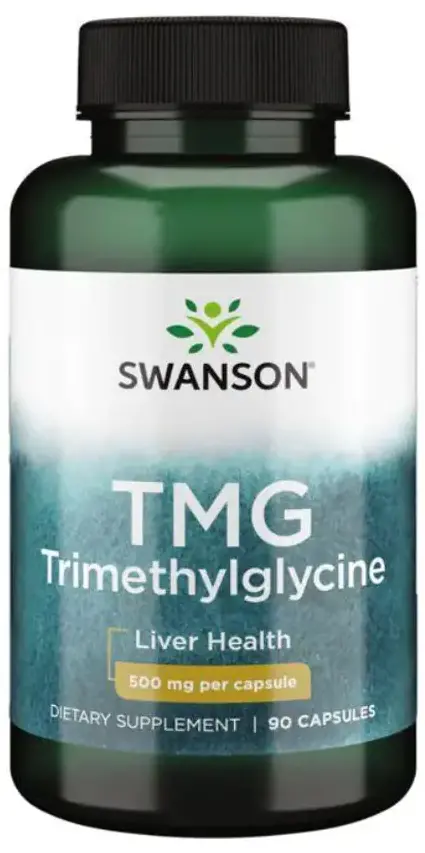
- Form: 1,000 mg Capsules
- Suggested Use: Take two capsules with your first meal of the day.
Swanson TMG Review By Jen: “Have a nutritionist and she recommended this TMG. Everyone is different what, works, however I was having lots of itching of skin all over body can’t sleep been 6 months crazy! Thinking food allergies and trouble Shooting. I found that the main cause of my itching was liver gallbladder issues. I’m 30 eat well do intermittent fasting and cupping , fascia blasting whole body. The detox from all I’m sure is causing my liver to be overloaded. Taking this before a meal has cured me. No itching at all at night. I also believe liver issue comes at night for some reason. I also take other supplements but this was key. I was also told to take “ Douglas Labs Bilex” but felt like it made me more itchy? I need to trouble shoot that again. This TMG also helps with mood disorders I do feel a bit calmer. Making up for many months lost sleep.”
NOW TMG
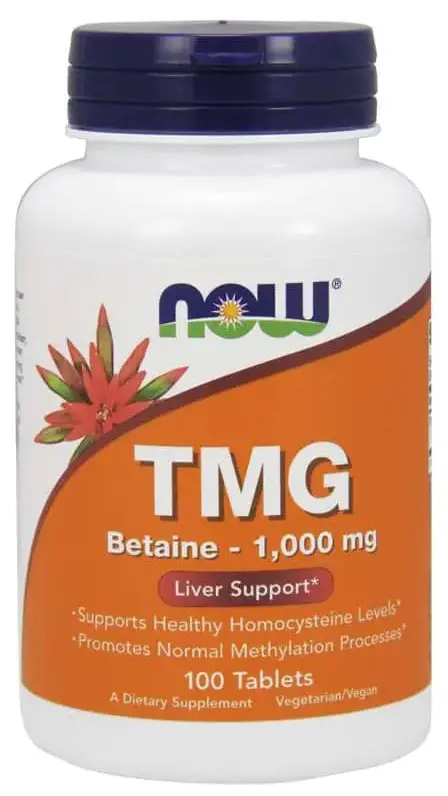
- Form: Tablets (1,000 mg each)
- Suggested Use: Take one to three tablets twice a day with meals.
Also available by NOW:
NOW TMG Tablets Review By William: “Have used this supplement for a long time, so I knew what to expect with the product, but your price was cheaper than everywhere else I looked! Delivery was fast, too!”
Trimethylglycine FAQ
Here, we address some FAQs about TMG to provide clarity and insights:
Is TMG the same as betaine anhydrous? |
|---|
| Though often used interchangeably, TMG and betaine anhydrous aren’t the same. While both are natural methyl donors and have similar health benefits, their structures are different.† |
Are there natural sources of trimethylglycine? |
| Yes, trimethylglycine is naturally present in various foods. Beets, spinach, and whole grains are notable sources. Some supplements also derive trimethylglycine from these natural sources.† |
Is trimethylglycine safe? |
| Trimethylglycine is generally considered safe when used as directed. But you should consult with your doctor if you have pre-existing health conditions, are pregnant, or are taking medication.† |
Are there any known side effects or negative effects of TMG? |
| When used as directed, trimethylglycine supplementation is generally well-tolerated. However, large doses may lead to side effects such as nausea or gastrointestinal discomfort. It’s important to follow recommended dosages.† |
Can TMG be taken with other supplements? |
| Yes, you can generally take TMG with other supplements. But it’s important to be cautious and consider potential interactions before combining them.†
Popular Combinations:
Remember, TMG is a natural compound, but it can still interact with other substances. It’s always best to err on the side of caution and consult with a healthcare professional before adding it to your supplement regimen. |
What is trimethylglycine good for? |
| TMG supports heart health, liver function, energy production, and cognitive balance. It helps regulate homocysteine and supports methylation throughout the body.† |
What does TMG do to the brain? |
| TMG helps the brain make neurotransmitters like dopamine and serotonin. This may support focus, mental clarity, and a balanced mood.† |
Is TMG the same as creatine? |
| No. TMG and creatine are different nutrients. However, both support energy production in cells and may complement each other in a supplement routine.† |
Where to buy trimethylglycine
You can find trusted Trimethylglycine supplements at Same Day Supplements.
Ordering from us means:
- Fast shipping on most orders before 3 p.m. EST.
- Trusted brands backed by science.
- Helpful customer support.
Wrapping up
This marks the end of our post on Trimethylglycine Supplements. Thank you for reading!
If something wasn’t clear, if you have another question, or if you have another idea for a blog, Email Us!
Are you looking for more to read? Check out some of our other blogs!
- Is Night Shred The Ultimate Nighttime Fat Burner? Review & Comparison
- The Benefits Of Melatonin For Your Sleep And Overall Health
- What Is Anabol Hardcore And How Can It Help Your Goals (Review And Guide)
- Iron Supplements | Everything You Need to Know
- The Best Probiotics For Your Health
- Best Supplements For Low Magnesium
Warnings and side effects
- If you feel muscle tension or headaches, lower the dose or stop use.
- Keep out of reach of children.
- Do not exceed the recommended amount.
- Do not use if the seal is broken or damaged.
- Consult your doctor if you are pregnant, nursing, or under medical care.
Disclaimer
†Please note
Disclaimer
† Same Day Supplements is a dietary supplement retailer and digital publisher. We do not provide personal medical advice, diagnosis, treatment, or emergency health services. If you are experiencing a medical emergency, contact your local emergency services or go to the nearest emergency room or urgent care center immediately.
The content on this blog, including text, graphics, images, product comparisons, ingredient discussions, customer experiences, and other materials, is provided for general educational and informational purposes only. It is not intended to replace professional medical advice, diagnosis, treatment, or guidance from a qualified healthcare provider.
You should consult your physician or another qualified healthcare professional before starting any supplement, diet, exercise, fitness, or wellness program, especially if you are pregnant or nursing, under 18, taking medication, have a medical condition, are sensitive to stimulants, have a history of high blood pressure or heart concerns, or are subject to athletic drug testing.
Our blog content may include product label information, manufacturer-provided details, published research, anecdotal customer feedback, and Same Day Supplements editorial interpretation. Any product discussion or recommendation is intended to help readers compare supplement options and should not be interpreted as medical advice or a guarantee of results.
Individual results may vary. Same Day Supplements makes no guarantee regarding the effectiveness, safety, suitability, or results of any product, ingredient, supplement stack, or wellness approach discussed on this site. Product formulas, labels, warnings, serving sizes, ingredients, availability, and regulatory status may change without notice. Always read the full product label before use and follow the manufacturer’s directions and warnings.
Information about ingredients, health conditions, medications, interactions, side effects, allergies, and precautions may not include every possible use, risk, warning, or adverse effect. If you have questions about whether a product is appropriate for you, consult a qualified healthcare provider before use.
Statements made about dietary supplements have not been evaluated by the Food and Drug Administration. Dietary supplements are not intended to diagnose, treat, cure, or prevent any disease.
This disclaimer supplements and is part of the Same Day Supplements website Terms & Conditions, Privacy Policy, and other posted policies and conditions of use.
