
The Ultimate Guide to Berberine Supplements: Boost Your Health Naturally (Review And Guide)
📖 Table of Contents
Looking to feel healthier and have more energy? Many people are turning to natural remedies to give their bodies a boost. In this guide, we’ll dive into the world of berberine, a powerful plant compound that’s getting a lot of attention. We’ll explore what it is, how it works, and the many ways it can help you feel better, from managing blood sugar to supporting a healthy heart and even helping with weight loss.†

What Is Berberine?
Berberine is a natural compound found in plants like barberry, goldenseal, and Chinese goldthread. It has been used in traditional medicine for hundreds of years. Today, people take it as a supplement because it may support health in many ways.†
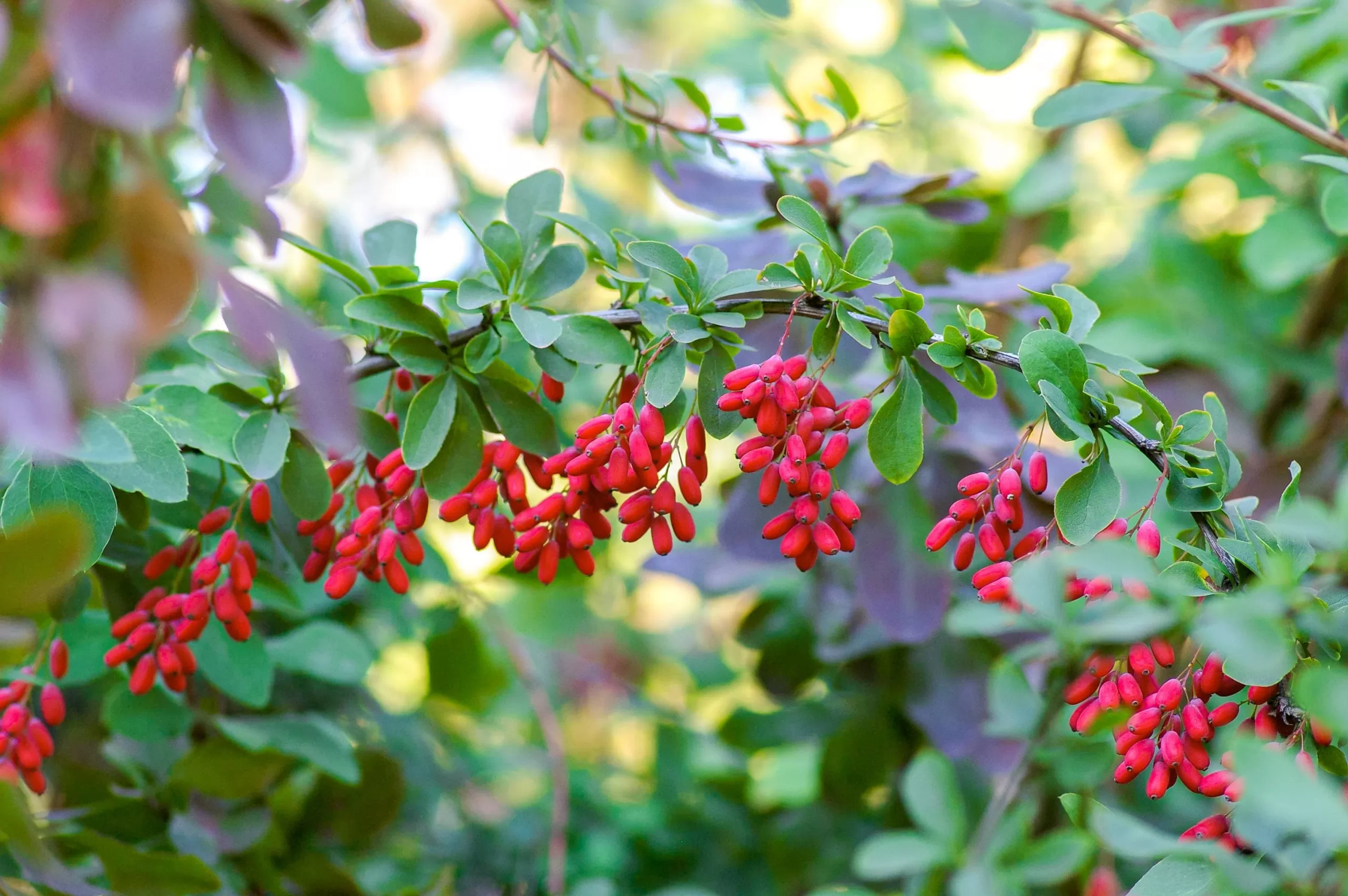
Scientists classify berberine as an alkaloid, which is a group of natural compounds known for having powerful effects on the body. This is why berberine has so many different health benefits, which researchers and health fans are very excited about. These benefits stem from its remarkable antioxidant, anti-inflammatory, and antidiabetic properties, which make berberine a super versatile compound for improving your health. (1,2,3)
Health Benefits:
Let’s explore some of the remarkable ways that berberine can positively impact your health:
- Blood Sugar Regulation†
- Cardiovascular Support†
- Anti-inflammatory and Antioxidant Effects†
- Weight Management†
- Digestive Health†
- Mental Well-being†
- Polycystic Ovary Syndrome Support†
Blood Sugar Regulation:
Berberine has been extensively studied for its ability to regulate blood sugar levels. Research suggests that berberine can enhance insulin sensitivity and promote glucose uptake. Additionally, it may inhibit enzymes involved in glucose production, which improves glycemic control. (1,3,4,5)
Let’s explore how berberine works and why it is beneficial for maintaining healthy glucose levels.
- Enhanced Glucose: Berberine helps cells use glucose more efficiently by increasing glucose uptake. This helps lower blood sugar levels and provides energy for the body.†
- Reduced Sugar: It can lower blood sugar by reducing glucose production from the liver.†
- DPP4 Inhibition: Berberine can inhibit an enzyme called DPP4. This enzyme breaks down hormones that help regulate insulin and glucose levels. By inhibiting DPP4, these hormones work longer, leading to better glucose control.†
- Improved Insulin Sensitivity: Berberine can enhance the body’s response to insulin. Insulin is a hormone that helps regulate blood sugar levels. By improving insulin sensitivity, cells take in glucose more effectively.†
Cardiovascular Support:
Berberine helps maintain healthy cholesterol levels and promotes heart health. Studies suggest it reduces LDL cholesterol and triglycerides, while increasing HDL cholesterol. Additionally, berberine may activate protective enzymes, regulate important pathways, and inhibit harmful enzymes. (1,3,6,7)
Anti-inflammatory and Antioxidant Effects:
Berberine acts as an antioxidant through various mechanisms. It can scavenge reactive species, bind to metals to transform certain substances, remove free oxygen radicals, reduce the harmful effects of superoxide ions and nitric oxide, and enhance the antioxidant effects of other substances. The antioxidant effect of berberine has been compared to that of vitamin C, a potent antioxidant. (1,3,8,9,10,11)
Weight Management:
Some studies suggest berberine can support weight loss. It may help your body burn fat more efficiently and store less fat. All of which can contribute to weight loss and maintenance. (12,13)
Digestive Health:
Berberine has natural antimicrobial properties. This means it can help balance bacteria in the gut and support healthy digestion. This is important for nutrient absorption and overall wellness. (1,3,14)
Mental Well-being:
Research indicates that berberine may support cognitive function and mental well-being. It could help improve mood, focus, and memory. (3,15,16)
Polycystic Ovary Syndrome Support:
Polycystic Ovary Syndrome (PCOS) is a hormonal disorder that affects many women. It can help regulate hormone levels, improve insulin sensitivity, and reduce symptoms associated with it. (17,18,19)
Here’s a closer look at how berberine may affect PCOS:
- Insulin Sensitivity: One of the key features of PCOS is insulin resistance, which can lead to high insulin levels in the body. Enhancing insulin sensitivity improves hormone balance and overall management of PCOS symptoms.†
- Hormone Regulation: PCOS is often associated with imbalances in sex hormones. This can include elevated levels of androgens, such as testosterone. Studies suggest it may regulate these levels by reducing testosterone production and balancing estrogen. This can help with symptoms like excessive hair growth and acne.†
- Menstrual Regularity: Many women with PCOS experience irregular or absent menstrual cycles. Berberine may promote ovulation and restore normal hormonal fluctuations. By regulating the menstrual cycle, berberine may improve fertility for women with PCOS.†
- Inflammation and Oxidative Stress: PCOS is associated with chronic low-grade inflammation and increased oxidative stress. Berberine’s anti-inflammatory and antioxidant properties may help mitigate these underlying factors.†
†It’s important to note that while berberine shows promising results in these areas, it should not replace any prescribed medications or medical advice. Always consult a healthcare professional before starting any new supplement regimen, especially if you have underlying health conditions or are taking medications.
How It Works:
Berberine exerts its effects through multiple methods of action in the body. Here are some key mechanisms by which berberine works.
Activation of AMPK:
Berberine activates AMPK, an enzyme that plays a crucial role in cellular energy regulation. This enzyme enhances glucose uptake, promotes glucose breakdown, and stimulates fatty acid oxidation. This helps improve insulin sensitivity, regulate blood sugar levels, and support metabolic health. (1,2,11,13)
Modulation of Gene Expression:
Berberine influences the expression of various genes involved in metabolism and inflammation. It can increase the expression of genes associated with glucose uptake, lipid metabolism, and mitochondrial function. Meanwhile, reducing inflammation genes and lipogenesis (fat synthesis). This modulation of gene expression contributes to berberine’s overall metabolic and anti-inflammatory effects. (1,2,3,7,13)
Influence on Gut Microbiota:
Berberine has antimicrobial properties and can modulate the composition of the gut microbiota. It selectively inhibits harmful bacteria’s growth while promoting beneficial bacteria’s growth. This impacts digestion, nutrient absorption, and overall gut health. (1,3,14)
Regulation of Gut Hormones:
Berberine can influence the secretion and activity of gut hormones involved in appetite regulation, such as glucagon-like peptide-1 (GLP-1). Increasing the release of these hormones promotes satiation and reduces food intake. (1,3,4,13,20)
Impact on Cellular Signaling Pathways:
Berberine works at a cellular level, acting like a director for your body’s metabolism. It affects special pathways in your cells that control how your body uses sugar and fat. Think of these pathways as command centers for your energy.
Specifically, berberine influences key proteins like AMPK. When AMPK activates, it helps burn energy more efficiently, like flipping a switch that tells cells to speed up their metabolism. By doing this, it helps the body maintain a balance of energy and can improve how your cells respond to insulin. (1,3,11,13,21)
Similar To Berberine Supplements:
Here are a few natural compounds that have similarities to berberine:
- Curcumin
- Resveratrol
- Quercetin
- EGCG
Curcumin is the active compound found in turmeric, a widely used spice with potent medicinal properties. Like berberine, curcumin has demonstrated antioxidant, anti-inflammatory, and antimicrobial effects. It also shows promise in promoting heart health, supporting blood sugar balance, and managing weight. (22,23,24)
You may have heard of resveratrol, a well-known compound found in red wine, grapes, and some berries. Just like berberine, it’s getting a lot of attention for its ability to fight inflammation and act as a powerful antioxidant. Resveratrol works in some of the same ways as berberine. It also activates the AMPK pathway, which helps manage energy and use blood sugar more effectively. Beyond that, research shows it may also support brain health and even help with weight management. (25,26,27)
Quercetin is a flavonoid in various fruits, vegetables, and herbs. Like berberine, quercetin exhibits antioxidant, anti-inflammatory, and antimicrobial properties. Studies suggest it may benefit heart health, immune function, and allergy relief. Quercetin also shows promise in supporting blood sugar regulation and anticancer properties. (28,29,30)
EGCG:
Epigallocatechin gallate (EGCG) is a catechin found in green tea. It shares similarities with berberine regarding its antioxidant, anti-inflammatory, and metabolic properties. Studies on EGCG suggest it may benefit heart health, weight management, and brain function. It also may support blood sugar balance and may protect against some diseases. (31,32,33,34)
Ozempic VS Berberine:
Many individuals with diabetes explore options to help control their blood sugar levels and shed excess pounds. In this section, we’ll compare the popular medication Ozempic with berberine. Here, we’ll focus on how they affect diabetes management and weight loss.
What is Ozempic?
Ozempic is a brand-name prescription medication containing semaglutide. It belongs to a class of drugs called GLP-1 receptor agonists, which are used to treat type 2 diabetes. Ozempic works by mimicking the action of GLP-1, a hormone that regulates blood sugar. It increases insulin release, decreases glucagon, and slows digestion, which improves blood sugar control. (35)
One notable benefit of Ozempic is its potential for promoting weight loss. Many users experience significant weight loss from its effects on appetite and metabolism. However, Ozempic is available only by prescription and with the guidance of a healthcare provider. (35)
Common side effects may include nausea, vomiting, diarrhea, and minor injection site reactions. Serious side effects are rare but can include pancreatitis and thyroid tumors. (36)
How Does Berberine Compare?
Berberine’s exact mechanism of action is not fully understood. But research suggests it enhances insulin sensitivity, reduces resistance, and improves glucose metabolism. This shows promise for improving metabolism. This leads to burning stored fat and reducing body weight. In comparison to Ozempic, Berberine is available as an over-the-counter dietary supplement. Therefore, you would not need a prescription to benefit from Berberine. (1,3,4,5,12,13)
Common side effects are usually mild and may include digestive issues such as diarrhea or stomach cramps. Berberine is generally considered safe when taken at recommended doses. (19)
Which To Choose?
When choosing between Ozempic and Berberine, consulting with a healthcare provider is essential. They will evaluate your conditions and consider possible interactions with your full regimen. This will help you make an informed decision.†
Ultimately, the choice depends on the severity of your diabetes, your weight loss goals, and your response to treatment. Additionally, your preferences regarding prescription medications versus natural supplements. Diabetes management and weight loss strategies should always be individualized to meet your unique needs and health objectives.†

Popular Products:
As the popularity of berberine continues to rise, the market is flooded with various options. However, choosing the right one amidst the sea of options can be overwhelming. Here, we will review some popular berberine supplements that are available today.
- Swanson Berberine
- NOW Berberine
- Solaray Berberine
- Swanson Berberine Complex
- Thorne Berberine
- Hi-Tech Pharmaceuticals Berberine
Swanson Berberine:
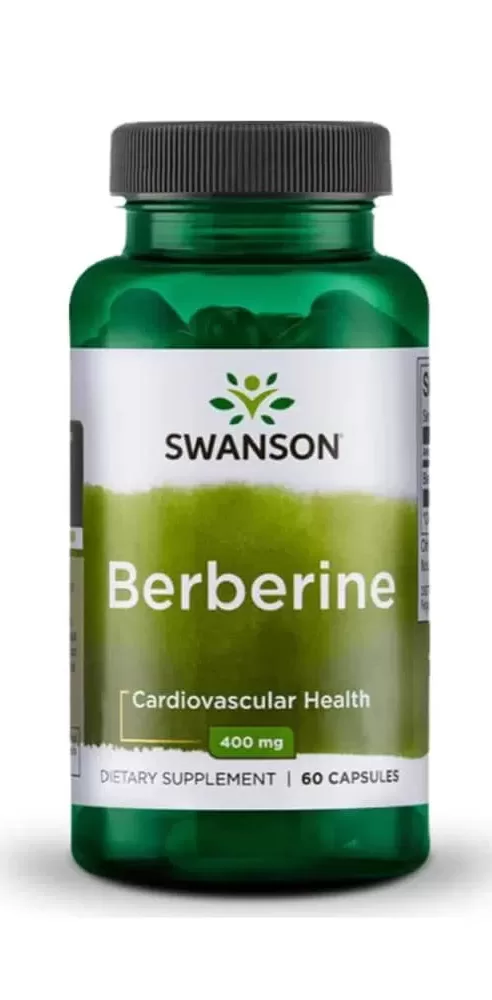 Swanson Berberine is a high-quality berberine supplement providing 400 mg of pure berberine HCl per serving. Made from Berberis aristata root standardized to 97% berberine HCl, Swanson offers a reliable and consistent dosage. With 60 servings per container, it’s a convenient and effective option.†
How To Take Swanson Berberine:
The manufacturer recommends taking one (1) capsule one to two times per day with a meal.
Customer Review By Britney: “Since incorporating Swanson Berberine into my routine, I’ve noticed a positive impact on my energy levels and overall glucose control. I feel more balanced throughout the day, with fewer energy crashes after meals. It has also helped me with managing my weight.”
NOW Berberine:
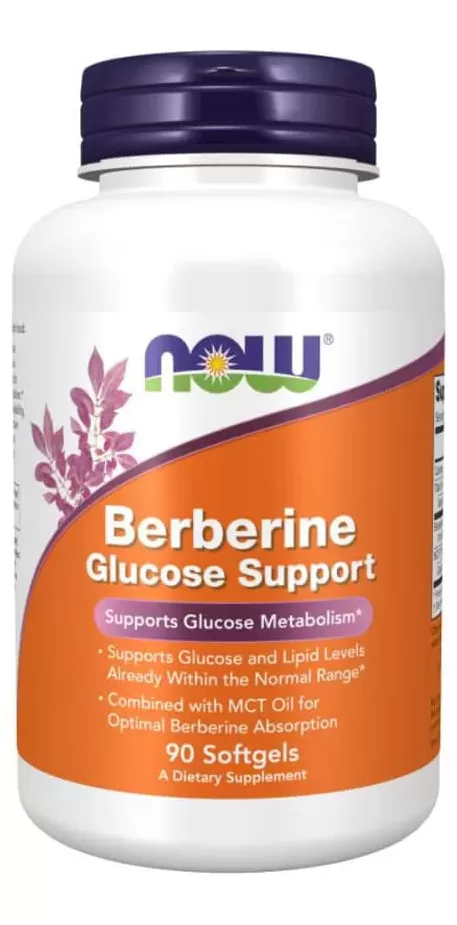 Now Foods Berberine offers comprehensive support for maintaining healthy glucose and lipid levels. Each softgel combines 400mg of Berberine HCl with 700mg of MCT Oil (Medium-Chain Triglycerides). With 90 softgels per bottle, it provides a convenient and effective option for your wellness routine.†
How To Take NOW Berberine:
The manufacturer recommends taking one (1) soft gel three times daily with food. Store in a cool, dry place after opening.
Customer Review By Jerry: “I was recommended this product by my physician for my blood sugar levels and it has worked like a charm so far. I have also noticed that my appetite has been suppressed slightly, as well.”
Solaray Berberine:
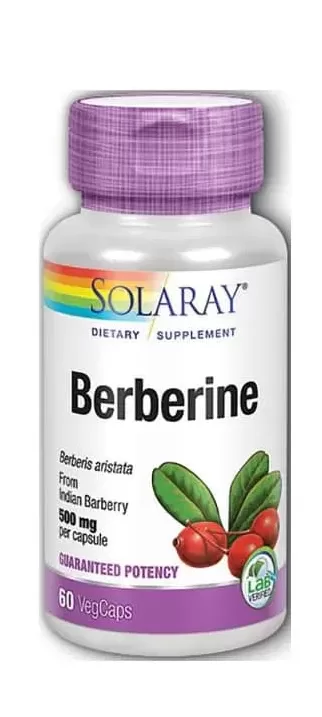
Solaray Berberine is a high-quality supplement providing 500mg of berberine HCl. The berberine here is derived from Indian Barberry (Berberis aristata) root extract. With 60 softgels per bottle, this formula ensures a consistent and potent dosage to support your health and well-being.†
How To Take Solaray Berberine:
The manufacturer recommends taking one (1) Veg Cap daily with a meal or glass of water.
Store in a cool, dry place.
Customer Review By Betty: “This product lives up to its name. Works really well for what it claims.”
Swanson Berberine Complex:
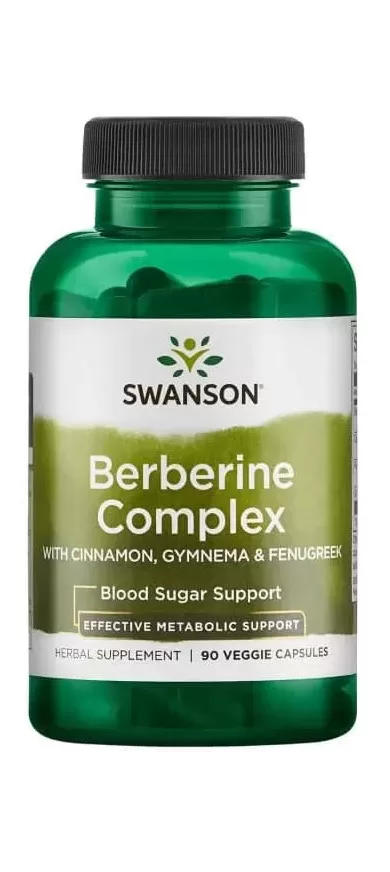 Swanson Berberine Complex is a powerful supplement designed to support healthy glucose metabolism. It combines the benefits of berberine with Ceylon Cinnamon, Fenugreek Seed, and Gymnema Sylvestre. With 90 servings, this formula provides a blend of ingredients to promote glucose balance and overall well-being.†
How To Take Swanson Berberine Complex:
The manufacturer recommends taking one (1) veggie capsule daily with food and water.
Customer Review By Matt: “This product was recommended to me by my doctor to combat my prediabetes, hashimoto thyroid, and weight gain. It keeps my blood sugar balanced, is helpful for digestion and I’ve even lost a couple pounds. I definitely recommend this if you have any of these conditions or just need a boost.”
Thorne Berberine:

Thorne’s dual-action formula combines berberine HCl with berberine phytosome to enhance absorption and efficacy.†
How To Take Thorne Berberine:
The manufacturer recommends taking 1-2 capsules two times daily, with food, or as advised by your health professional.
Customer Review By Winston: “Best natural weight loss product.”
Hi-Tech Pharmaceuticals Berberine:

One of the biggest challenges with regular berberine is that the body doesn’t absorb it very well, and they don’t stay in your system for long.†
That’s where Hi-Tech’s Nexrutine XS Berberine product changes the game. It’s specially designed to improve how your body uses berberine. In fact, this new formula allows your body to absorb over 10 times more of the compound. Plus, it extends the time berberine stays in your body from under an hour to over 10 hours. This makes it a much more effective and significant advancement in berberine supplements.†
How To Take Hi-Tech Pharmaceuticals Berberine:
The manufacturer recommends taking two (2) tablets 2-3 times daily, or as directed.
Customer Review By Jenna: “Love taking Berberine. I notice a huge difference in my day-to-day when I forget to take it. I don’t feel like I have as much cravings as I used to and overall feel good. “
Berberine FAQ:
In this section, we’ll address some common questions related to Berberine and its uses.
What Is The Recommended Dosage For Berberine Supplements? |
|---|
| The recommended dosage of berberine can vary. However, a common dosage range is 500-1500 mg daily, typically divided into two to three doses. It’s best to follow the instructions provided by the manufacturer or consult with a healthcare professional.† |
Are There Any Side Effects Associated With Berberine Supplements? |
| While berberine is generally well-tolerated, it can cause certain side effects in some individuals. These may include gastrointestinal discomfort, such as diarrhea, constipation, or abdominal pain. It may also interact with certain medications, particularly those metabolized by the liver.† |
Berberine VS Metformin: |
| Berberine and metformin are commonly used for managing glucose and increasing insulin sensitivity. However, metformin is a prescription medication widely available in various formulations and strengths. On the other hand, Berberine is a natural compound derived from certain plants. They share many features, including treating diabetes, obesity, heart disease, and inflammation. Unfortunately, metformin has a high incidence of side effects and a higher potential for drug interactions. (17,37) |
Can I Import Berberine Supplements? |
| If you’re planning to buy berberine supplements from another country, it’s a good idea to check your local laws first. Every country has different rules about bringing dietary supplements across its borders.
To avoid any issues, you should:
By checking these things in advance, you can make sure you follow all the rules and get your supplements without any problems. |
Can You Take Berberine With Other Supplements? |
| Yes, you can usually take berberine with other supplements, but be careful of how they might work together.†
Here are a few things to keep in mind:
Before you start taking berberine with any other supplements or medications, it’s always best to talk to a doctor or a pharmacist to make sure it’s safe for you.† |
Where To Buy Berberine?
You can find all the Berberine Supplement right here at SameDaySupplements.com!
🚚 All orders ship same day (M–F before 3 PM EST)
✅ Trusted U.S. retailer with verified reviews
💥 Stack deals available for even more savings
Wrapping Up!
And this marks the end of our post on Berberine Supplements. Thank you for reading! And as always, if there’s something unclear, you have another question, or you have another idea for a blog, email us!
Are you looking for more to read? Check out some of our other blogs!
- Is Night Shred The Ultimate Nighttime Fat Burner? Review & Comparison
- The Benefits Of Melatonin For Your Sleep And Overall Health
- What Is Anabol Hardcore And How Can It Help Your Goals (Review And Guide)
- Iron Supplements | Everything You Need to Know
- The Best Probiotics For Your Health
- Best Supplements For Low Magnesium
- Unlocking the Secrets of Slimaglutide: A Comprehensive Guide to Weight Management
Warnings And Side Effects:
For adults only. Do not take this product if you are pregnant or nursing. Consult your physician before using this or any product if you are taking medication or have a medical condition. Keep out of reach of children.
Do not use it if the seal is broken. Store in a cool, dry place.
Disclaimer:
†Please note
Disclaimer
† Same Day Supplements is a dietary supplement retailer and digital publisher. We do not provide personal medical advice, diagnosis, treatment, or emergency health services. If you are experiencing a medical emergency, contact your local emergency services or go to the nearest emergency room or urgent care center immediately.
The content on this blog, including text, graphics, images, product comparisons, ingredient discussions, customer experiences, and other materials, is provided for general educational and informational purposes only. It is not intended to replace professional medical advice, diagnosis, treatment, or guidance from a qualified healthcare provider.
You should consult your physician or another qualified healthcare professional before starting any supplement, diet, exercise, fitness, or wellness program, especially if you are pregnant or nursing, under 18, taking medication, have a medical condition, are sensitive to stimulants, have a history of high blood pressure or heart concerns, or are subject to athletic drug testing.
Our blog content may include product label information, manufacturer-provided details, published research, anecdotal customer feedback, and Same Day Supplements editorial interpretation. Any product discussion or recommendation is intended to help readers compare supplement options and should not be interpreted as medical advice or a guarantee of results.
Individual results may vary. Same Day Supplements makes no guarantee regarding the effectiveness, safety, suitability, or results of any product, ingredient, supplement stack, or wellness approach discussed on this site. Product formulas, labels, warnings, serving sizes, ingredients, availability, and regulatory status may change without notice. Always read the full product label before use and follow the manufacturer’s directions and warnings.
Information about ingredients, health conditions, medications, interactions, side effects, allergies, and precautions may not include every possible use, risk, warning, or adverse effect. If you have questions about whether a product is appropriate for you, consult a qualified healthcare provider before use.
Statements made about dietary supplements have not been evaluated by the Food and Drug Administration. Dietary supplements are not intended to diagnose, treat, cure, or prevent any disease.
This disclaimer supplements and is part of the Same Day Supplements website Terms & Conditions, Privacy Policy, and other posted policies and conditions of use.
