
Best Supplements For Low Magnesium 2026 (Review & Guide)
📖 Table of Contents
Magnesium is an essential mineral that is crucial in various bodily functions, including regulating muscle and nerve function, maintaining a healthy heart rhythm, and supporting bone health. Unfortunately, many people don’t get enough magnesium from their diets, and low magnesium levels can lead to various health issues. If you’re struggling with low magnesium levels, you may want to consider taking a supplement to boost your intake. (1)
But with so many options available, it can be challenging to determine which ones are the best for your needs. That’s why we’ve created this guide to help you navigate the world of magnesium supplements. We’ll take a closer look at the top products on the market, what to look for when choosing a supplement, and how to use them effectively. Whether you’re a fitness enthusiast, a busy professional, or someone looking to support your overall health, we’ve got you covered with our comprehensive analysis of the best supplements for low magnesium.

What Causes Low Magnesium?
Several factors can contribute to low magnesium levels in the body. The most common causes include the following:
- Inadequate dietary intake: Many people don’t consume enough magnesium-rich foods, which can lead to a deficiency over time. In fact, studies suggest up to half of Americans do not get enough magnesium from their diet. (1,2)
- Gastrointestinal disorders: Conditions that affect the digestive system, such as celiac disease, Crohn’s disease, and inflammatory bowel disease (IBD), can interfere with the absorption of magnesium and other nutrients. (1,2)
- Medications: Certain medications, such as proton pump inhibitors for acid reflux or diuretics for blood pressure, and antibiotics, can interfere with magnesium absorption or increase the amount excreted from the body. (1,2)
- Alcohol consumption: Because alcohol can interfere with the absorption of magnesium in the intestines, it may cause low levels of the mineral. Additionally, heavy drinking can also increase the urinary excretion of the mineral. (1,2)
- Chronic health conditions: Certain chronic health conditions, such as diabetes and kidney disease, can increase the risk of magnesium deficiency. (1,2)
- Older Age: Older adults absorb less and excrete more magnesium, and are more likely to have chronic illnesses or medications affecting magnesium. (3)
- Stress: While stress itself isn’t a direct cause, chronic stress hormones may affect magnesium metabolism (and low magnesium can, in turn, worsen stress), creating a vicious cycle. (4)
It’s important to note that some people may be at higher risk of magnesium deficiency than others, such as those with gastrointestinal disorders, older adults, and certain chronic health conditions. If you’re concerned about your magnesium levels, it’s best to consult your healthcare provider to determine the underlying cause and appropriate treatment.
Magnesium Benefits:
Magnesium is an essential mineral that is crucial in various bodily functions. In fact, it’s involved in over 300 enzymatic reactions in the body, including protein synthesis, muscle and nerve function, heart health, and bone health. (3,4,5)
How Adequate Magnesium Can Help
- Calmer Mood & Nerves: Helps regulate brain chemicals (like GABA) that support relaxation and stress resilience; supplementation has been shown to reduce anxious feelings.†
- Better Sleep Quality: Aids melatonin pathways and helps muscles/brain unwind, supporting deeper, more restorative sleep and fewer nighttime awakenings.†
- Muscle Comfort & Performance: Supports normal muscle contraction/relaxation to reduce cramping; may improve exercise performance and recovery by helping manage lactate and cellular energy.†
- Heart & Blood Pressure Support: Involved in healthy blood vessel tone and heart rhythm; Maintaining adequate magnesium can help keep blood pressure in a healthy range and support a steady heartbeat.†
- Blood Sugar Balance: Plays a key role in how your body uses insulin; adequate intake is linked with better insulin sensitivity and healthier fasting blood glucose.†
- Migraine Support: Low magnesium is associated with more frequent migraines; getting enough may help reduce frequency or intensity for some people.†
- Bone Strength: About 50–60% of your body’s magnesium is stored in bone; it works with vitamin D and calcium to support bone density and long-term skeletal health.†
Bottom line: magnesium is a quiet workhorse. If you recognize the signs above or your diet is low in magnesium-rich foods, increasing your levels can make a significant difference in daily energy, sleep, mood, and overall health.†
Common Signs of Low Magnesium
- Muscle issues: cramps, “charley horses,” twitching, or tightness—especially at night.†
- Energy & sleep: fatigue, low daytime energy, trouble falling or staying asleep.†
- Head & mood: headaches/migraines, irritability, anxious feelings, “wired but tired.”†
- Appetite & GI: loss of appetite, occasional nausea, or digestive discomfort.†
- Heart rhythm: in more severe deficiency, palpitations or irregular heartbeat.†
Symptoms vary by person. If you have a heart condition or ongoing symptoms, talk with your healthcare provider.
Types Of Magnesium Supplements:
Magnesium supplements come in various forms, including capsules, tablets, powders, and liquids. When choosing a magnesium supplement, it’s important to consider the type of magnesium, dosage, and potential interactions with other medications or supplements.
There are several types of magnesium supplements, including:
- Magnesium Citrate
- Magnesium Oxide
- Magnesium Glycinate
- Magnesium Chloride
- Magnesium Sulfate
- Magnesium Malate
- Magnesium Lactate
- Magnesium L-Threonate
Magnesium Citrate:
Magnesium citrate is a highly bioavailable form of magnesium created by combining magnesium with citric acid. This makes it a popular choice for addressing low magnesium levels. Magnesium citrate is commonly used to treat constipation by softening stools and promoting bowel movements. It’s important to note that magnesium citrate has a natural laxative effect. This can lead to gastrointestinal side effects. Taking magnesium citrate with food is recommended to reduce the risk of side effects. (6,7)
| Products | Mgs |
|---|---|
| Now Foods Magnesium Citrate | 400 mg |
| Solaray Magnesium Citrate | 400 mg |
| Life Extension Magnesium Citrate | 100 mg |
| Thorne Magnesium CitraMate | 55 mg |
Magnesium Oxide:
Magnesium oxide is a magnesium supplement that forms when magnesium combines with oxygen. This form of magnesium has a relatively low bioavailability compared to other supplements. Because the body absorbs it poorly, it’s not common to use it for addressing low magnesium levels. However, it can still provide short-term relief from digestive issues like heartburn, indigestion, and constipation. Magnesium oxide may also be used to treat and prevent migraines. (8,9)
| Products | Mgs |
|---|---|
| 21st Century Magnesium | 250 mg |
| Life Extension Bone Restore Elite | 300 mg |
Magnesium Glycinate:
Magnesium Glycinate, or Magnesium Bisglycinate, forms when magnesium binds to the amino acid glycine. This combination can help increase absorption and reduce the risk of side effects. Magnesium Glycinate is popular for improving sleep, promoting relaxation, and addressing low levels. This is because magnesium is crucial in regulating neurotransmitters that affect these functions. (10,11)
| Products | Mgs |
|---|---|
| NOW Magnesium Glycinate | 200 mg |
| Doctor’s Best High Absorption Magnesium | 200 mg |
| Healthy Origins Magnesium Bisglycinate Chelate | 200 mg |
| Swanson Albion Magnesium Glycinate | 133 mg |
| Thorne Magnesium Bisglycinate Powder |
200 mg |
| Nutricost Magnesium Glycinate | 420 mg |
| Hi-Tech Pharmaceuticals Magnesium Glycinate |
200 mg |
| Life Extension Magnesium Glycinate | 105 mg |
Magnesium Chloride:
Combining magnesium with chloride ions results in a highly absorbable form of magnesium salt. This makes it an excellent option for addressing low magnesium levels. Magnesium chloride is also frequently used to treat digestive issues such as constipation. In addition, it can be applied as an ointment to soothe sore muscles and promote relaxation. (8,12)
| Products | Size |
|---|---|
| NOW Magnesium Flakes | 1531 Grams |
Magnesium Sulfate:
Magnesium sulfate, or Epsom salt, offers more therapeutic benefits. It is formed by combining magnesium with sulfur and oxygen. Magnesium sulfate comes in various forms, including crystals, granules, and powders. People often use it as a soaking solution in baths for its relaxing and soothing effects. These effects include reducing muscle soreness and joint pain. It may also improve skin conditions such as eczema and psoriasis. However, very little evidence supports these uses. (13)
Magnesium Malate:
Magnesium Malate combines magnesium with malic acid, a naturally occurring compound in fruits like apples. This form of magnesium is highly bioavailable. Because of this, it is a common choice to address low magnesium levels. Additionally, malic acid is known for its ability to reduce muscle pain and fatigue. This makes Magnesium Malate a popular choice for athletes and individuals with fibromyalgia. Additionally, Magnesium Malate may support overall energy production and improve mental clarity. (14,15)
| Products | Mgs |
|---|---|
| NOW Magnesium Malate | 115 mg/95 mg |
| Source Naturals Magnesium Malate | 3.75 g |
| Thorne Calcium Magnesium Malate |
100 mg |
Magnesium Lactate:
Magnesium lactate is created by combining magnesium with lactic acid. Because this form is highly bioavailable, it’s a great option for treating low levels and supporting heart health and energy production. Additionally, it may help improve muscle function and reduce muscle cramps. This version of magnesium is generally well-tolerated and has a low risk of side effects (16)
Magnesium L-Threonate:
Magnesium L-Threonate, or Magtein, is a unique form of magnesium specifically designed to enhance magnesium’s ability to cross the blood-brain barrier and penetrate cell membranes in the brain. This form of magnesium is a combination of magnesium and L-threonate, a vitamin C metabolite. L-threonate may enhance magnesium absorption in the brain. Magtein is popular for its cognitive benefits, particularly to improve memory and learning. Additionally, studies suggest it can increase brain magnesium levels. This improves synaptic plasticity and neuroplasticity. As a result, this can enhance learning, memory, and cognitive function. Improving function can potentially reduce the risk of cognitive decline and Alzheimer’s disease. (17)
In addition to its cognitive benefits, magtein may also treat anxiety, depression, and sleep disorders. (17)
| Products | Mgs |
|---|---|
| Life Extension Neuro-Mag | 144 mg |
| NOW Magtein | 2 g |
| Nutricost Magtein |
2 g |
Who Should Take It:
Magnesium supplements can benefit a variety of people, particularly those with deficiencies or conditions that affect absorption. This includes gastrointestinal disorders, type 2 diabetes, alcoholism, and certain medications. (1,2)
Additionally, athletes and individuals engaging in high-intensity physical activity may benefit from magnesium supplementation. This is because magnesium is involved in muscle and nerve function and can aid muscle recovery and relaxation.
Symptoms of Magnesium Deficiency:
Symptoms of magnesium deficiency can vary and may not always be apparent. However, some common signs of low magnesium levels include:(17)
- Muscle cramps and spasms†
- Fatigue and weakness†
- Nausea and vomiting†
- Loss of appetite†
- Headaches and migraines†
- Numbness or tingling in the limbs†
- Irregular heartbeat†
- Anxiety and depression†
- High blood pressure†
If you are experiencing any of these symptoms or suspect you may have a magnesium deficiency, it’s important to talk to your healthcare provider. They can help you determine if you need to supplement with magnesium and recommend the best form and dosage.
Dosage Recommendations:
It’s essential to note that these recommendations are general guidelines, and individual magnesium needs may vary depending on age, gender, and health status. Additionally, magnesium requirements may be higher for individuals who engage in regular vigorous exercise. Here are the current recommended dietary allowances (RDAs): (18)
| Persons | RDA |
|---|---|
| Males 14–18 years | 410 mg |
| Females 14–18 years | 360 mg |
| Males 19–50 years | 400-420 mg |
| Females 19–50 years | 310-320 mg |
| Pregnant | 350-360 mg |
| Breast-Feeding | 310-320 mg |
Diet/Food Sources:
In addition to supplements, incorporating magnesium-rich foods into your diet can be an excellent strategy to ensure you get enough. Fortunately, plenty of foods are naturally high in this essential mineral. For example, dark leafy greens, nuts and seeds, whole grains, and legumes are all excellent sources of magnesium. Additionally, dairy products such as milk, yogurt, and cheese can provide a significant source of magnesium. For those who prefer fortified foods, many breakfast cereals and other fortified products are also high in magnesium. (18)
Popular Products:
In this section, we’ll take a closer look at some popular supplements that feature magnesium!
- Optimum Nutrition Zinc Magnesium Aspartate
- Kirkland Calcium Citrate, Magnesium, and Zinc
- Alpha Lion SuperHuman Hydration
- Swanson Hormone Essentials
- Life Extension Bone Restore Elite
- Blackstone Labs Adrenal Care
- NOW Candida Support
Allmax ZMX2:

Allmax ZMX2 is a supplement that combines zinc, magnesium, and vitamin B6. This supplement is popular for supporting athletic performance and recovery. Zinc has a role in protein synthesis, which is essential for building and repairing muscle tissue. Magnesium helps regulate muscle contractions and reduce muscle fatigue. Vitamin B6 is also important for protein synthesis and can help reduce inflammation. Additionally, ZMX2 may support immune function, promote sleep, support testosterone, and improve mood. ZMX2 may benefit individuals who engage in intense physical activity or experience sleep issues. (19, 20, 21, 22,23)
How To Take Allmax ZMX2:
The manufacturers recommend that men take three capsules and women take two capsules, preferably on an empty stomach, 30-60 minutes before bedtime.
Allmax ZMX2 Review By N/A: “MY GO TO NIGHT TIME TEST BOOSTER ALLMAX THE BEST HIGH DOSE SCIENCE BACKED INGREDIENTS PERFECTION SUPPLEMENT”
Kirkland Calcium Citrate, Magnesium, and Zinc:
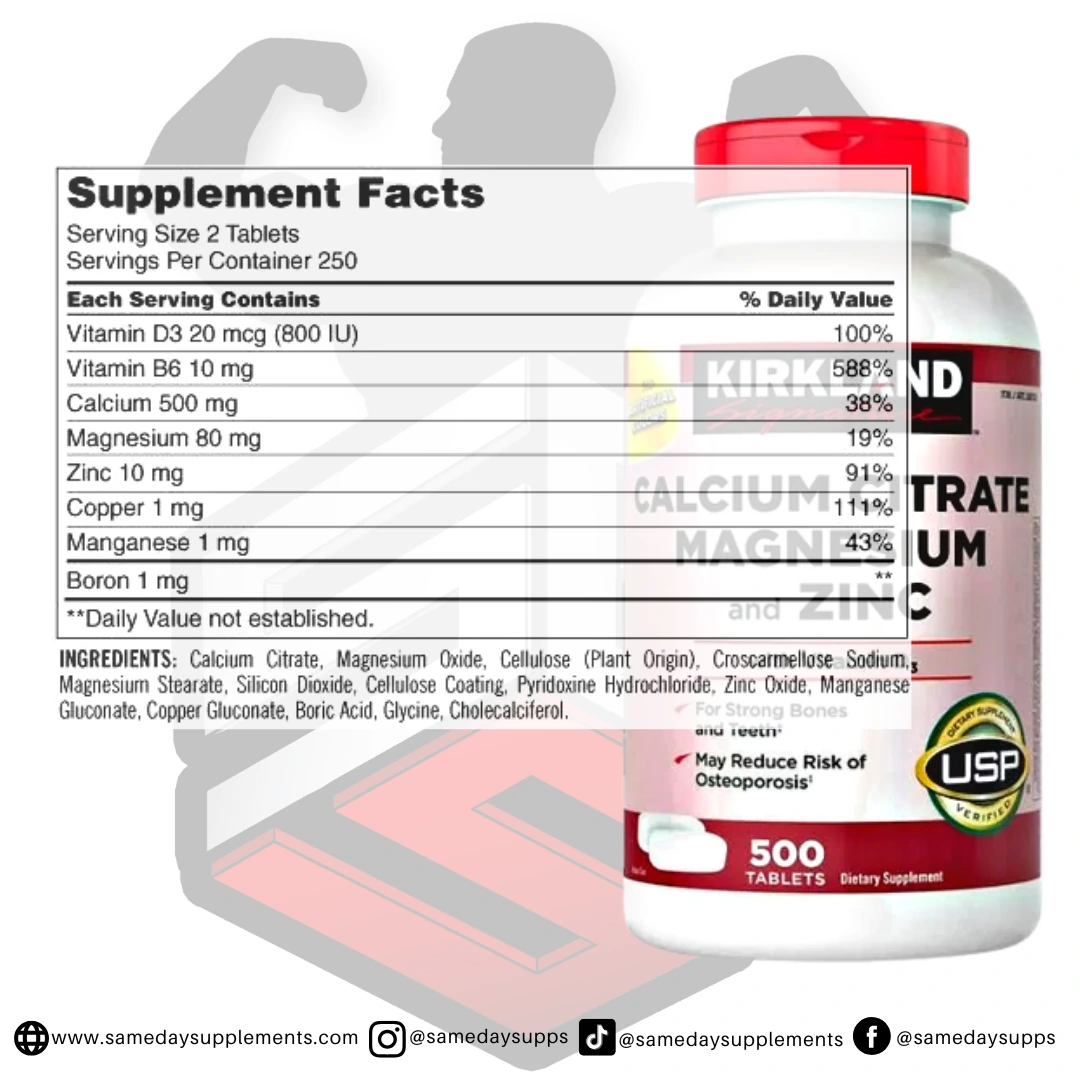
Kirkland Calcium Citrate, Magnesium, and Zinc is a multivitamin that combines essential nutrients. Calcium and vitamin D3 support bone health. Meanwhile, magnesium and zinc play crucial roles in various metabolic processes. Vitamin B6 is essential for brain function and hormone production. Copper and boron are crucial micronutrients that support bone, joint, and connective tissue health. Overall, this supplement may benefit individuals looking to support bone and immune health. (19, 20, 21, 24, 25)
How To Take Kirkland Calcium Citrate Magnesium, and Zinc:
The manufacturers recommend taking two (2) tablets daily, preferably with a meal.
Kirkland Calcium Citrate Magnesium and Zinc Review By Jessica: “On my second bottle, love this formula!! All I need in one serving”
Alpha Lion SuperHuman Hydration:
 SuperHuman Hydration is a supplement designed to support hydration and electrolyte balance. Its key ingredients include calcium, potassium, magnesium, sodium, and taurine. All of which are essential minerals lost through sweat. The addition of Aquamin, a mineral-rich marine algae, may also replenish trace minerals. The Panax notoginseng and Rosa Roxburghii may improve the bioavailability of other ingredients. Overall, SuperHuman Hydration may be helpful for individuals who engage in strenuous exercise. It may also benefit individuals living in hot climates who need to maintain hydration and electrolytes. (26)
How To Take SuperHuman Hydration:
The manufacturers recommend mixing one (1) scoop with 12-14 oz of water (adjust for taste preference). Take once or twice per day.
SuperHuman Hydration Review By Kyle: “Formulation is great! Really feel the difference. I’ve used this the mornings after a night out as well.”
Swanson Hormone Essentials:
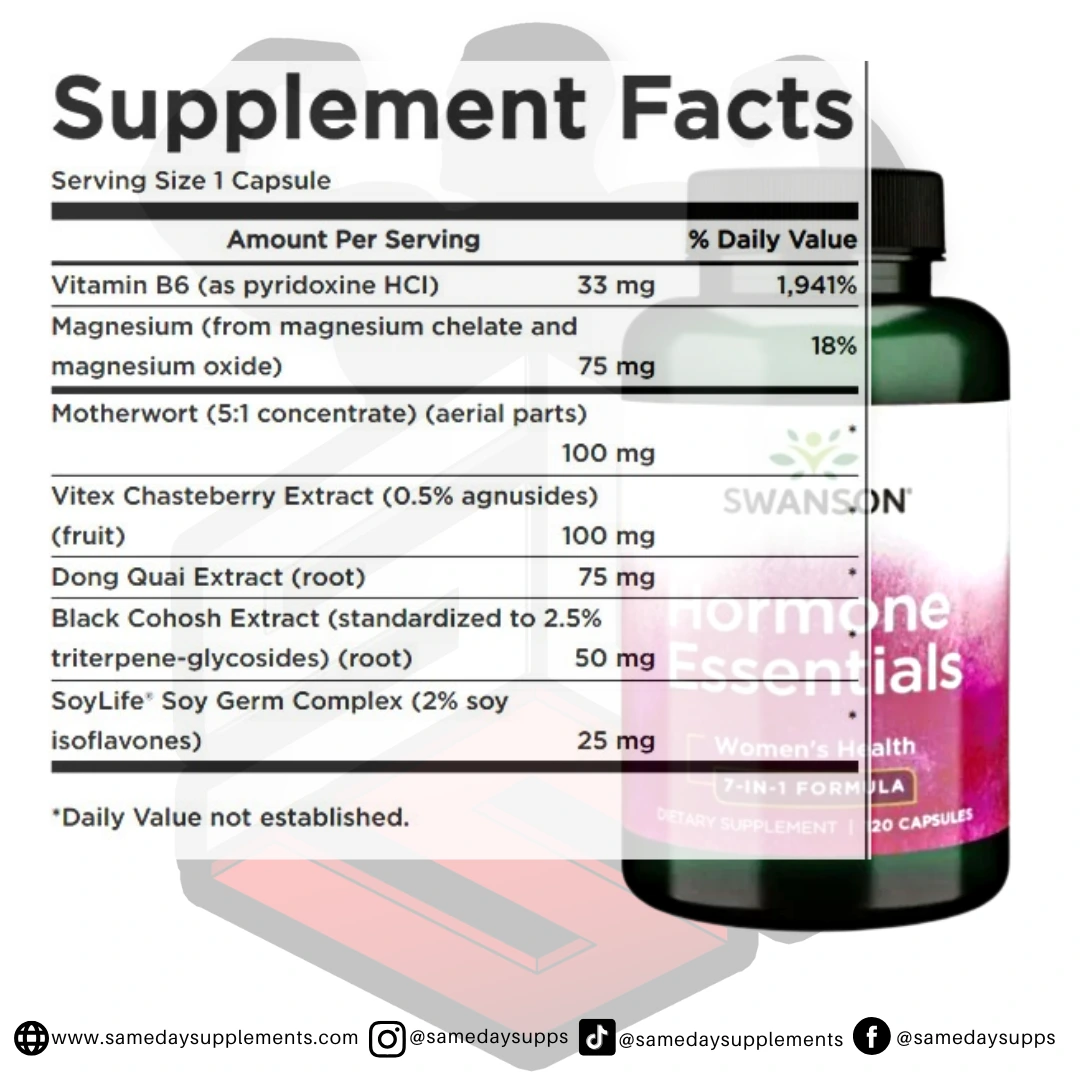
Swanson Hormone Essentials is a supplement designed to support women’s hormone health. It features a blend of vitamins, minerals, and extracts that help regulate hormones. Vitamin B6 and magnesium help support healthy hormone production. Meanwhile, the Motherwort, Vitex Chasteberry, and Dong Quai help relieve symptoms of PMS and menopause, such as mood swings and hot flashes. Finally, the Black Cohosh Extract and SoyLife® Soy Germ Complex support hormone balance. This supplement may benefit women looking for natural support for their hormonal health. (27, 28, 29)
How To Take Swanson Hormone Essentials:
The manufacturers recommend taking one (1) capsule three times daily with food and water.
Swanson Hormone Essentials Review By LSTexas: “It helped regulate my periods and balance my hormones. I am not menopause age yet, but have always had irregular periods and unbalanced hormone levels which effected everything. I used to take a product from Natrol but they quit making it. I was so Glad when I found this product.”
Life Extension Bone Restore Elite:

Life Extension Bone Restore Elite is a supplement for bone health and strength. It contains a combination of essential vitamins and minerals. This includes Vitamin D3, Vitamin K2, Calcium, Magnesium, Zinc, Manganese, Silicon, and Boron.
Vitamin D3 is essential for calcium absorption and bone health. Meanwhile, Vitamin K2 helps to activate proteins involved in bone mineralization. Calcium and magnesium are essential minerals that contribute to bone strength. Then there are zinc and manganese, which are necessary for forming bone tissue. Silicon, from horsetail extract, plays a role in synthesizing collagen. Finally, boron improves the metabolism of calcium, magnesium, and vitamin D. Together, these ingredients help support bone health. Making Bone Restore Elite beneficial for individuals at risk of developing osteoporosis or looking to support bone density. ( 25, 30,31,32,33)
How To Take Bone Restore Elite:
The manufacturers recommend taking four (4) capsules daily or as a healthcare practitioner recommends.
Bone Restore Elite Review By Andrea: “As a 68-year-old, I really want to avoid having weak bones. After taking this for a while, my bones (and hips!) are feeling better.”
Blackstone Labs Adrenal Care:

Blackstone Labs Adrenal Care is a supplement that supports adrenal gland function and overall health. Zinc, magnesium glycinate, and Korean ginseng are popular to support healthy adrenal function. Meanwhile, the bovine extract provides nutrients for adrenal gland health. Inositol hexanicotinate and DMAE can help improve cognitive function and reduce stress. At the same time, glycyrrhetinic acid may help improve adrenal fatigue. Finally, huperzine A can enhance cognitive function and memory. Altogether, Blackstone Labs Adrenal Care is a good choice for supporting adrenal health and managing stress. (34,35,36, 37,38,39,40)
How To Take Adrenal Care:
The manufacturers recommend taking two (2) tablets twice daily. Do not exceed four (4) tablets daily. Finish the entire contents of the bottle over thirty (30) days.
Adrenal Care Review By Brandon: “My energy levels are way higher and I’m even sleeping better since taking this. Highly recommend.”
NOW Candida Support:

NOW Foods Candida Support is a dietary supplement designed to support intestinal microflora. The formula features ingredients like Caprylic Acid, Pau D’Arco, Black Walnut, and Oregano Oil Powder. These ingredients may promote a healthy digestive system and support against yeast overgrowth. Additionally, the supplement includes Magnesium. Magnesium plays a role in several physiological processes. Together, NOW Foods Candida Support is a good choice for balancing gut flora and preventing yeast overgrowth. (41,42,43,44,45)
How To Take Candida Support:
The manufacturers recommend taking two (2) capsules daily with food.
Candida Support Review By Juliana: “This product works great for me. I have had continual issues with yeast infections and since taking this product, I no longer have issues.”
FAQ:
Here are some frequently asked questions about low magnesium and magnesium supplements:
Are There Side Effects From Magnesium Supplements? |
|---|
| Magnesium is generally safe. But higher doses can cause loose stools, nausea, or stomach cramps. These are usually mild and typically resolve once your body adjusts or if the dose is lowered. People with kidney problems should use magnesium only under medical guidance.† |
Magnesium For Headaches/Migraines? |
| Several studies suggest magnesium can reduce the frequency and severity of migraines. Low magnesium levels are often linked with migraines. Supplementation may help with prevention and relief.† |
Does It Help With Weight Loss? |
| Magnesium itself doesn’t directly burn fat. But it supports blood sugar balance and reduces stress. Better energy and sleep from magnesium may also indirectly support healthy weight management.† |
Will Magnesium Help With Sleep? |
| Yes. Magnesium helps regulate calming neurotransmitters like GABA and supports melatonin production. Both of which improve sleep quality. Many people find evening magnesium helps them relax before bed.† |
What To Take With It? |
| Magnesium works well with vitamin D, calcium, zinc, and vitamin B6. Together, these nutrients support bone, muscle, and metabolic health. Avoid taking high doses of calcium and magnesium, as they can compete for absorption.† |
Can Magnesium Supplements Lower Blood Pressure? |
| Yes, magnesium can help relax blood vessels and support normal blood pressure. Studies show modest reductions in people with hypertension. Magnesium is not a replacement for medication. So always check with your doctor if you have high blood pressure.† |
How Do I Know If I Need a Magnesium Supplement? |
| Signs like cramps, low energy, poor sleep, or stress can suggest a magnesium deficiency. Older adults, athletes, and people with digestive conditions may be at higher risk. Standard blood tests often miss deficiencies. Because of this, doctors consider symptoms and risk factors more than laboratory results.† |
What Is the Recommended Daily Amount? |
| Adults generally need ~400–420 mg/day (men) and ~310–320 mg/day (women). Pregnancy increases needs. This includes food plus supplements, so most supplements provide 200–350 mg to fill the gap. † |
When Is the Best Time to Take Magnesium? |
| It depends on your goal. Many prefer evenings to take advantage of magnesium’s calming effect for sleep. If you find mornings energizing, you may find them better. Always take with food for better absorption and to reduce stomach upset.† |
Can I Take Magnesium with Other Supplements or Medications? |
| Yes, but space it at least 2 hours apart from certain medications. This can include antibiotics, thyroid meds, or osteoporosis drugs to avoid interference. It pairs well with vitamin D and calcium, but very high doses of calcium at the same time can limit absorption. People with kidney disease should consult a doctor before supplementing.† |
How Long Does It Take to Correct a Magnesium Deficiency? |
| Some people feel improvements like fewer cramps or better sleep in just a few days. For more severe deficiencies, it may take 4–8 weeks of consistent intake.† |
Can I Get Enough Magnesium From Food Alone? |
| Yes, with a diet rich in leafy greens, nuts, seeds, beans, whole grains, avocado, and dark chocolate. However, modern diets and processed foods often fall short. This is why many people choose to supplement.† |
What Should I Look For in a Magnesium Supplement? |
|
Choose a reputable brand that says the form of magnesium and has third-party testing. USP or NSF certifications provide extra assurance of purity.† |
Wrapping Up!
Finally, this marks the end of our post on Low Magnesium and Magnesium Supplements. Thank you for reading! And as always, if there was something that wasn’t clear, another question you might have, or if you have another idea for a blog, Email Us!
Are you looking for more to read? Check out some of our other blogs!
- Health Benefits of Reishi Mushroom Supplements
- Tricaprin, Caprylic Acid, and MCT Oil Supplements
- Iron Supplements | Everything You Need to Know
- What Multivitamin is best for you? Opti-Men VS Animal Pak
- Creatine 101
- What Is NAC?
- What Is Whey Protein?
Warnings And Side Effects:
For adults only. Consult a physician if pregnant/nursing, taking medication, or having a medical condition. Keep out of reach of children.
Disclaimer:
†Please note
Disclaimer
† Same Day Supplements is a dietary supplement retailer and digital publisher. We do not provide personal medical advice, diagnosis, treatment, or emergency health services. If you are experiencing a medical emergency, contact your local emergency services or go to the nearest emergency room or urgent care center immediately.
The content on this blog, including text, graphics, images, product comparisons, ingredient discussions, customer experiences, and other materials, is provided for general educational and informational purposes only. It is not intended to replace professional medical advice, diagnosis, treatment, or guidance from a qualified healthcare provider.
You should consult your physician or another qualified healthcare professional before starting any supplement, diet, exercise, fitness, or wellness program, especially if you are pregnant or nursing, under 18, taking medication, have a medical condition, are sensitive to stimulants, have a history of high blood pressure or heart concerns, or are subject to athletic drug testing.
Our blog content may include product label information, manufacturer-provided details, published research, anecdotal customer feedback, and Same Day Supplements editorial interpretation. Any product discussion or recommendation is intended to help readers compare supplement options and should not be interpreted as medical advice or a guarantee of results.
Individual results may vary. Same Day Supplements makes no guarantee regarding the effectiveness, safety, suitability, or results of any product, ingredient, supplement stack, or wellness approach discussed on this site. Product formulas, labels, warnings, serving sizes, ingredients, availability, and regulatory status may change without notice. Always read the full product label before use and follow the manufacturer’s directions and warnings.
Information about ingredients, health conditions, medications, interactions, side effects, allergies, and precautions may not include every possible use, risk, warning, or adverse effect. If you have questions about whether a product is appropriate for you, consult a qualified healthcare provider before use.
Statements made about dietary supplements have not been evaluated by the Food and Drug Administration. Dietary supplements are not intended to diagnose, treat, cure, or prevent any disease.
This disclaimer supplements and is part of the Same Day Supplements website Terms & Conditions, Privacy Policy, and other posted policies and conditions of use.
