
Flavanol Supplements and Anti-Aging: Can They Slow Down the Clock?
📖 Table of Contents
In our quest for youth and vitality, the search for real anti-aging solutions never ends. There are countless products that promise to turn back the clock, but many fall short. One such contender is flavanol supplements. These supplements have gained attention for their potential to address the visible signs of aging.
But what exactly are flavanols, and can they truly slow down the clock? In this blog, we dive into the world of flavanol supplements and explore their role in restoring youthful skin. We’ll cover scientific research, reviewing flavanol’s potential anti-aging effects and other health benefits. So, if you’re curious to learn more about how these supplements may hold the key to defying the passage of time, keep reading.

What Are Flavanol Supplements?
Flavanol supplements are dietary supplements that contain high concentrations of flavanols. Flavanols are a compound naturally found in certain plants. They are famous for their antioxidant properties and are commonly found in cocoa, berries, and tea. Along with certain fruits and vegetables.
They also belong to a larger group of compounds called polyphenols, which are widely recognized for their health benefits. However, flavanols, in particular, have garnered significant attention for various aspects of health benefits. These include cardiovascular health, cognitive function, and skin health. (1,2,3,4,5,6)
While you can get enough flavanols through a balanced diet, flavanol supplements offer a convenient way to be consistent. These supplements are typically available as pills or capsules, with standardized concentrations.
Health Benefits:
Flavanol supplements offer a range of potential health benefits. Let’s take a closer look at some of the key health benefits associated with flavanol supplements:
Anti-Aging Effects:
Flavanols have been studied for their potential to slow down the aging process. Their antioxidant activity helps combat oxidative stress. Oxidative stress is a major contributor to cellular damage and aging. Flavanols may help protect against skin aging by promoting collagen synthesis. This may improve skin elasticity and reduce wrinkles and fine lines. (3,7,8,9,10)
Cardiovascular Health:
Flavanols have shown promise in supporting cardiovascular health. Research suggests it may help improve blood flow, reduce blood pressure, and enhance the function of blood vessels. They may also lower the risk of heart disease and stroke by improving circulation and reducing inflammation. (2,3,4,7)
Cognitive Function:
Flavanols have been studied for their potential cognitive benefits. Research indicates these compounds may enhance memory, attention, and cognitive performance. Flavanol supplements may support brain health by promoting blood flow to the brain. As well as protecting neurons from oxidative damage, and reducing inflammation. (1,3,4,5,6,7,8)
Skin Health:
Flavanols possess properties that can benefit the skin. Their antioxidant and anti-inflammatory effects may improve skin hydration and support health. Flavanol supplements may contribute to a more youthful and radiant complexion. (3,9,10)
Diabetes Management:
Flavanols may play a role in managing diabetes. Studies suggest these compounds may help regulate blood sugar levels, improve insulin sensitivity, and reduce the risk of developing type 2 diabetes. Flavanol supplements and a balanced diet and lifestyle may aid in diabetes prevention and management. (3,4,7)
Flavanols VS Flavonoids:
Flavanols and flavonoids are two closely related classes of plant compounds in polyphenols. While they share some similarities, there are key differences between flavanols and flavonoids.
Flavanols:
Flavanols are a specific type of flavonoid characterized by their catechol group. Some well-known flavanols include epicatechin, catechin, and proanthocyanidins. Flavanols are recognized for their potent antioxidant properties. They help neutralize harmful free radicals and protect cells from oxidative stress/damage. While flavanols are a subgroup of flavonoids, they are often studied independently. This is due to their unique properties and potential health effects. (1,11)
Flavonoids:
Flavonoids are a larger class of polyphenolic compounds that include various subclasses. These include flavanols, flavones, flavonols, flavanones, and anthocyanins. They are widely available in plants and are responsible for their vibrant colors. They can be found in fruits, vegetables, grains, herbs, and beverages like tea and wine. As a whole, Flavonoids exhibit diverse biological activities and have numerous health benefits. They possess antioxidant, anti-inflammatory, anti-cancer, and anti-microbial properties. Different subclasses of flavonoids may have specific effects, and health benefits can vary. (12)
Flavanol Supplements Or Flavonoid Supplements?
Flavonoid supplements encompass a broader range of flavonoid subclasses, including flavanols. These supplements aim to provide a comprehensive array of flavonoids.
The choice between these supplements depends on your health goals and preferences. A flavanol supplement may be better if you’re more interested in benefits such as heart or skin health.
But, if you’re looking for a broader spectrum of flavonoids, a flavonoid supplement with more subclasses may be better.
Natural Sources:
When it comes to incorporating flavanols into your diet, there are lots of options. Let’s explore some of the natural sources of flavanols.
Cocoa and Dark Chocolate:
Indulging in a bit of chocolate can actually be good for you! Cocoa beans and dark chocolate are rich in flavanols, particularly epicatechin. Opt for dark chocolate with a high percentage of cocoa solids to enjoy the benefits of flavanols. (1,13,14,15,16)
Tea:
Whether you prefer green tea or black tea, you’re in for a flavanol treat. Green tea is known for its high levels of catechins, a specific type of flavanol. Meanwhile, black tea contains theaflavins derived from the oxidation of catechins during fermentation. Enjoy a warm cup of tea and let the flavanols work their magic. (15,16,17)
Apples:
“An apple a day keeps the doctor away” may have more truth to it than you think. Apples, especially with the skin, offer a good dose of flavanols, particularly as epicatechin. So next time you reach for a snack, consider biting into a crisp and juicy apple. (15,18,19)
Berries:
From strawberries to blueberries, these little bursts of flavor are rich in flavonols. These colorful fruits provide an abundance of health-boosting compounds, including flavanols and anthocyanins. (15,18,20)
Grapes and Red Wine:
Grapes, especially the red and purple varieties, contain flavanols like catechins and proanthocyanidins. And for wine lovers, you’ll be happy to know that red wine, made from fermented grapes, also has flavanols. Remember to enjoy red wine in moderation, savoring its flavors responsibly. (15,17,18,19,20)
Popular Products:
When it comes to flavanol supplements, several popular products stand out. Each harnesses the providing a concentrated dose of flavanols in different forms.
What Are Pycnogenols?
Pycnogenol is a trademarked extract from the bark of maritime pine trees (Pinus pinaster). It features a unique blend of flavanols. This includes procyanidins, catechins, and taxifolins, among others. This extract is famous for its potent antioxidant and anti-inflammatory properties.†
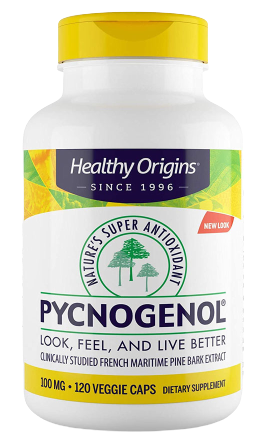
The flavanols within Pcynogenol extract contribute to its potential health benefits. Pycnogenol may:
- Support Heart Health†
- Promote Brain Function†
- Reduce Oxidative Stress†
- Improve Skin Health†
- Manage Inflammation†
Research suggests it may strengthen blood vessels, support circulation, and promote collagen synthesis. It also has potential anti-aging effects. This includes reducing the look of wrinkles, improving skin elasticity, and overall skin health.†
Popular Pycnogenols Supplements:
- Healthy Origins Pycnogenol
- NOW Pycnogenol
- Life Extension Pycnogenol
- Hi-Tech Pharmaceuticals Pine Bark
- Force Factor Pine Bark
- Life Extension Eye Pressure Support with Mitrogenol
- Life Extension Venoflow
What Are Proanthocyanidins?
Proanthocyanidins are a type of flavanol that is potent in fruits, vegetables, nuts, seeds, and other plants.
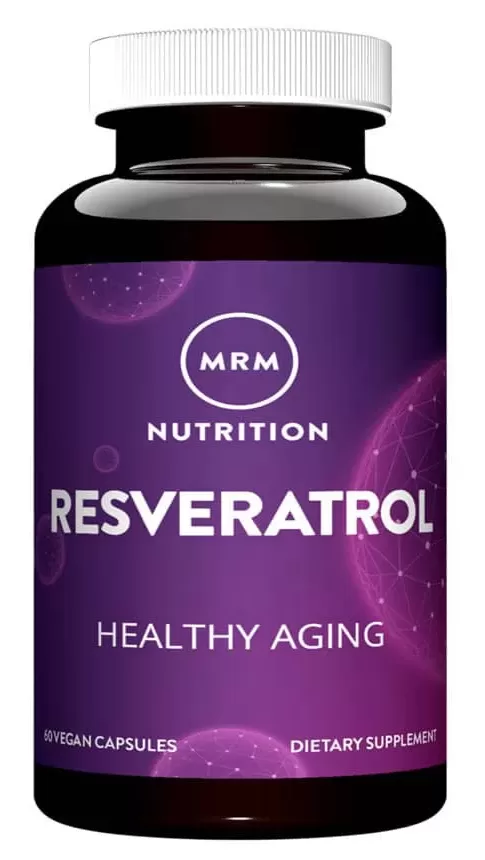 Proanthocyanidins are responsible for the vibrant colors of certain fruits. This includes grapes, cranberries, and blueberries. These compounds are characterized by their polymerized structure. Meaning they are linked to multiple flavanol units, such as catechins and epicatechins.†
Proanthocyanidins have potent antioxidant activity, which may offer several potential health benefits, including:
- Cardiovascular Health†
- Cognitive Function†
- Skin Health†
- Urinary Tract Health†
Popular Proanthocyanidins Supplements:
- MRM Resveratrol
- Life Extension Blueberry Extract
- Life Extension Cran Max
- Hi-Tech Pharmaceuticals Grape Seed
- NOW Mannose Cranberry
- NOW Grape Seed Extract
- Swanson Cranberry
- NOW Cranberry Caps
What Are Catechins And Epicatechins?
Catechins and epicatechins are types of flavanols in tea leaves, cocoa beans, and certain fruits.
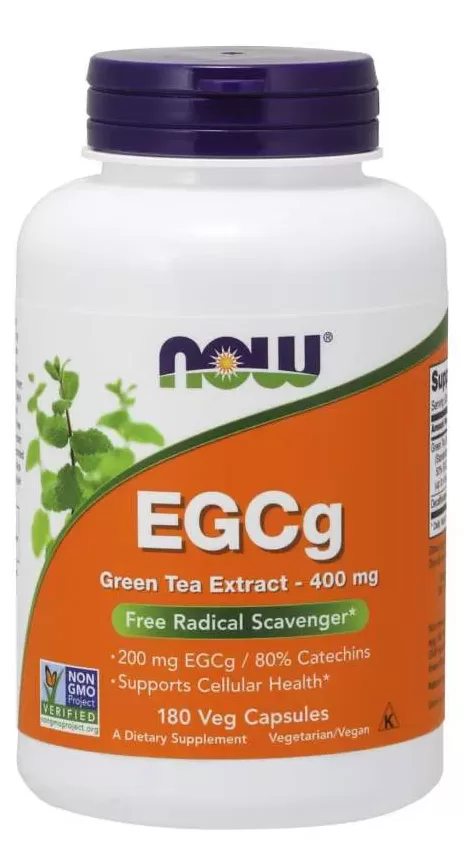
Catechins are a group of flavanols commonly found in tea, particularly green tea. They are known for their potent antioxidant properties. Some of the most common catechins include epicatechin, epicatechin gallate (ECG), epigallocatechin (EGC), and epigallocatechin gallate (EGCG).†
Epicatechins are a type of flavanol that is structurally similar to catechins. Epicatechins also possess antioxidant activity and contribute to the health benefits of flavanols.†
Both catechins and epicatechins are popular for their potential health-promoting effects, including:
- Antioxidant Activity†
- Cardiovascular Health†
- Weight Management†
- Cognitive Function†
- Skin Health†
Popular Catechins And Epiatechins:
- NOW EGCg Green Tea Extract
- NOW Green Tea Extract
- NOW Thermo Green Tea
- REPP Sports Raze LX3 With Epicatechin
- Alpha Lion SuperHuman Muscle
- Blackstone Labs EpiCat
- Blackstone Labs EpiSmash
Which Should You Try?
When deciding which supplement you should try, the decision ultimately comes down to your health goals. For instance, Pycnogenol is commonly used for heart health, brain function, and skin health. Whereas, Proanthocyanidins are famous for antioxidant properties, heart support, and urinary tract health. Finally, Catechins and Epicatechins are popular for weight management, antioxidant properties, and cognitive health.†
Regarding anti-aging, Pycnogenol and Proanthocyanidin supplements are popular choices. Pycnogenol’s antioxidant properties help reduce oxidative stress and protect against age-related damage. It can also help stimulate collagen synthesis and support skin health. This may promote a more youthful appearance. Additionally, Pycnogenol has potential cognitive benefits and may contribute to brain health. Proanthocyanidins act as powerful antioxidants, combating oxidative stress and promoting overall well-being. They are known to support cardiovascular health, skin health, and general anti-aging effects.†
Wrapping Up!
And this marks the end of our post on Flavonol Supplements. Thank you for reading! And as always, if there was something that wasn’t clear, another question you might have, or if you have another idea for a blog, Email Us!
Are you looking for more to read? Check out some of our other blogs!
- Is Night Shred The Ultimate Nighttime Fat Burner? Review & Comparison
- The Benefits Of Melatonin For Your Sleep And Overall Health
- Iron Supplements | Everything You Need to Know
- The Best Probiotics For Your Health
- The Ultimate Guide to Berberine Supplements
Warnings And Side Effects:
Keep out of reach of children for adult use only. Use only as directed. Consult a healthcare professional before use if you are pregnant or nursing, have a medical condition or use prescription medications. Store in a cool, dry place. Protect from heat, light, and moisture.
Disclaimer:
†Please note
Disclaimer
† Same Day Supplements is a dietary supplement retailer and digital publisher. We do not provide personal medical advice, diagnosis, treatment, or emergency health services. If you are experiencing a medical emergency, contact your local emergency services or go to the nearest emergency room or urgent care center immediately.
The content on this blog, including text, graphics, images, product comparisons, ingredient discussions, customer experiences, and other materials, is provided for general educational and informational purposes only. It is not intended to replace professional medical advice, diagnosis, treatment, or guidance from a qualified healthcare provider.
You should consult your physician or another qualified healthcare professional before starting any supplement, diet, exercise, fitness, or wellness program, especially if you are pregnant or nursing, under 18, taking medication, have a medical condition, are sensitive to stimulants, have a history of high blood pressure or heart concerns, or are subject to athletic drug testing.
Our blog content may include product label information, manufacturer-provided details, published research, anecdotal customer feedback, and Same Day Supplements editorial interpretation. Any product discussion or recommendation is intended to help readers compare supplement options and should not be interpreted as medical advice or a guarantee of results.
Individual results may vary. Same Day Supplements makes no guarantee regarding the effectiveness, safety, suitability, or results of any product, ingredient, supplement stack, or wellness approach discussed on this site. Product formulas, labels, warnings, serving sizes, ingredients, availability, and regulatory status may change without notice. Always read the full product label before use and follow the manufacturer’s directions and warnings.
Information about ingredients, health conditions, medications, interactions, side effects, allergies, and precautions may not include every possible use, risk, warning, or adverse effect. If you have questions about whether a product is appropriate for you, consult a qualified healthcare provider before use.
Statements made about dietary supplements have not been evaluated by the Food and Drug Administration. Dietary supplements are not intended to diagnose, treat, cure, or prevent any disease.
This disclaimer supplements and is part of the Same Day Supplements website Terms & Conditions, Privacy Policy, and other posted policies and conditions of use.
