
Capsaicin vs Curcumin: Which Anti-Inflammatory Supplement Is Right for You?
📖 Table of Contents
Inflammation isn’t always bad, but when it sticks around too long, it can lead to everything from joint pain to chronic disease. That’s why more people are turning to natural supplements like capsaicin and curcumin to help calm things down. Both are plant-based, both are backed by science, and both have earned a loyal following in the wellness world. But when it comes to choosing between the spicy heat of capsaicin or the golden glow of curcumin, how do you know which one’s right for you?
In this guide, we’ll break down the differences between capsaicin and curcumin, including how they work, what benefits they offer, and who they’re best suited for. Whether you’re dealing with soreness, inflammation, or just curious about their wellness perks, this side-by-side comparison can help you make a smarter choice.

What Is Capsaicin?
Capsaicin is the natural compound that gives chili peppers their signature heat. Found mostly in the white membranes and seeds of hot peppers like cayenne, jalapeño, and habanero, it’s what makes your mouth burn—and your metabolism kick into gear. (1)
Beyond the spice, capsaicin has a surprising number of health benefits. It works by interacting with a receptor in your body called TRPV1, which plays a key role in pain perception, inflammation, and heat regulation. When capsaicin activates this receptor, it causes a burning sensation at first—but over time, it can actually desensitize pain signals and reduce inflammation. (2,3)
Capsaicin is available in several supplement forms:
-
Capsules or tablets for internal support (often found in fat burners)†
-
Topical creams or patches for localized pain relief†
-
Powdered extracts added to shakes or recipes for a metabolism boost†
Most commonly, capsaicin is used for its potential to support pain relief, fat metabolism, and cardiovascular health. But like any supplement, it’s not one-size-fits-all—some people may find it irritating, especially to the stomach. (4)
What Is Curcumin?
Curcumin is the bright yellow compound found in turmeric root, a spice that’s been used for centuries in Ayurvedic and traditional medicine. It’s the primary active ingredient responsible for turmeric’s anti-inflammatory, antioxidant, and healing properties. (5)
Unlike capsaicin’s spicy heat, curcumin works more quietly, targeting inflammation at a cellular level. It does this by blocking certain molecules like NF-κB and COX-2 enzymes, which are involved in triggering the body’s inflammatory response. This makes curcumin a popular natural option for conditions like arthritis, joint pain, digestive inflammation, and even cognitive support. (5,6)
However, there’s a catch: curcumin has low bioavailability, meaning your body doesn’t absorb it well on its own. That’s why most supplements include black pepper extract (piperine) to improve absorption by up to 2,000%. (7,8)
Common forms of curcumin supplements include:
-
Standardized capsules or softgels (usually with piperine)†
-
Turmeric powders or teas†
-
Liquid extracts or liposomal forms for faster absorption†
In short, curcumin is ideal for those looking for long-term, full-body inflammation support, without the burn.†
Benefits Comparison:
Both capsaicin and curcumin offer impressive anti-inflammatory effects, but they work differently and shine in different areas. Here’s a quick side-by-side look at how they stack up across key health benefits:
| Benefit | Capsaicin | Curcumin |
| Pain Relief | Often used topically to numb nerve endings and reduce joint pain (9) | Targets inflammation at the source, helpful for arthritis (6) |
| Weight Management | Boosts metabolism, increases thermogenesis, may suppress appetite (10) | May improve insulin sensitivity and support fat metabolism (6) |
| Heart Health | May help improve circulation and lower LDL cholesterol (11) | Supports endothelial function and reduces oxidative stress (6) |
| Digestive Support | Stimulates digestive enzymes, but can irritate sensitive stomachs (12) | Soothes gut inflammation, especially in IBD and IBS (6) |
| Antioxidant Power | Mild antioxidant effects (13) | Strong antioxidant, neutralizes free radicals (6) |
| Cognitive Function | Limited evidence (14) | May support memory and mood by reducing neuroinflammation (5) |
| Athletic Recovery | May reduce post-workout soreness through topical use (15) | Helps reduce muscle inflammation and oxidative stress (6) |
Quick Takeaway:
-
Capsaicin excels in metabolism support, topical pain relief, and thermogenic fat-burning.†
-
Curcumin is better for systemic inflammation, joint health, and long-term antioxidant protection.†
Which Supplement Is Better For You?
When it comes to choosing between capsaicin and curcumin, the best option depends on your specific health goals, needs, and tolerance. Let’s break it down:
Choose Capsaicin if…
-
You want a metabolism boost: If you’re looking to support weight loss, capsaicin can help rev up your metabolism and increase calorie burn. It’s commonly included in fat-burning supplements for this reason.†
-
You need fast, targeted pain relief: Capsaicin works wonders when applied topically to relieve joint pain, nerve pain, or muscle soreness. It can help ease discomfort, especially in conditions like arthritis or post-workout aches.†
-
You’re dealing with digestive issues: If you can tolerate spicy foods, capsaicin can stimulate digestive enzymes and promote smoother digestion.†
Choose Curcumin if…
-
You have chronic inflammation or joint pain: Curcumin’s ability to reduce systemic inflammation makes it an excellent option for people dealing with conditions like arthritis, back pain, or chronic muscle inflammation.†
-
You want whole-body anti-inflammatory support: Curcumin works at a deeper level, targeting multiple inflammatory pathways. If you’re looking for long-term relief from issues like inflammatory bowel disease (IBD) or chronic headaches, curcumin may be a better choice.†
-
You’re interested in antioxidant protection: Curcumin’s strong antioxidant properties can help protect cells from damage caused by free radicals, potentially reducing the risk of chronic diseases over time.†
What If You Can’t Decide?
In some cases, you might benefit from combining both supplements. Many people use capsaicin for its fat-burning and pain-relieving properties while taking curcumin for its joint health and full-body inflammation support. Just be sure to check with a healthcare professional, especially if you’re considering using them alongside other medications.†
Where To Buy?
If you’re ready to incorporate capsaicin or curcumin into your wellness routine, here are two high-quality supplements available right here at SameDaySupplements.com!
1. Puritan’s Pride Turmeric Curcumin with Bioperine – 1,000 mg (60 Capsules)
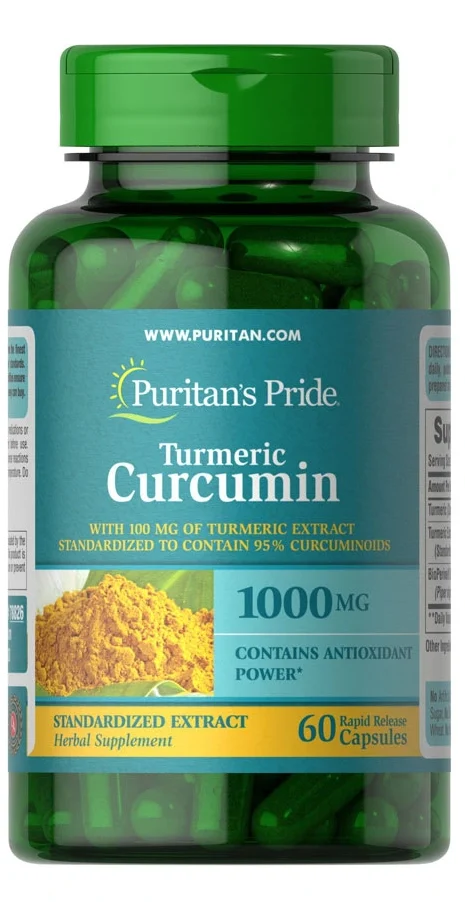
This supplement combines turmeric curcumin with Bioperine (black pepper extract) to enhance absorption. Each capsule delivers 1,000 mg of turmeric, standardized to 95% curcuminoids, supporting antioxidant activity and overall wellness.†
Features:
- Contains Bioperine for improved bioavailability†
- Supports joint health and antioxidant defense†
- Rapid-release capsules†
How To Take It:
The manufacturer recommends that adults take one (1) capsule three times daily, preferably with meals. The capsule may be opened and prepared as a tea.
2. Nutricost Cayenne Pepper – 530 mg (240 Capsules)
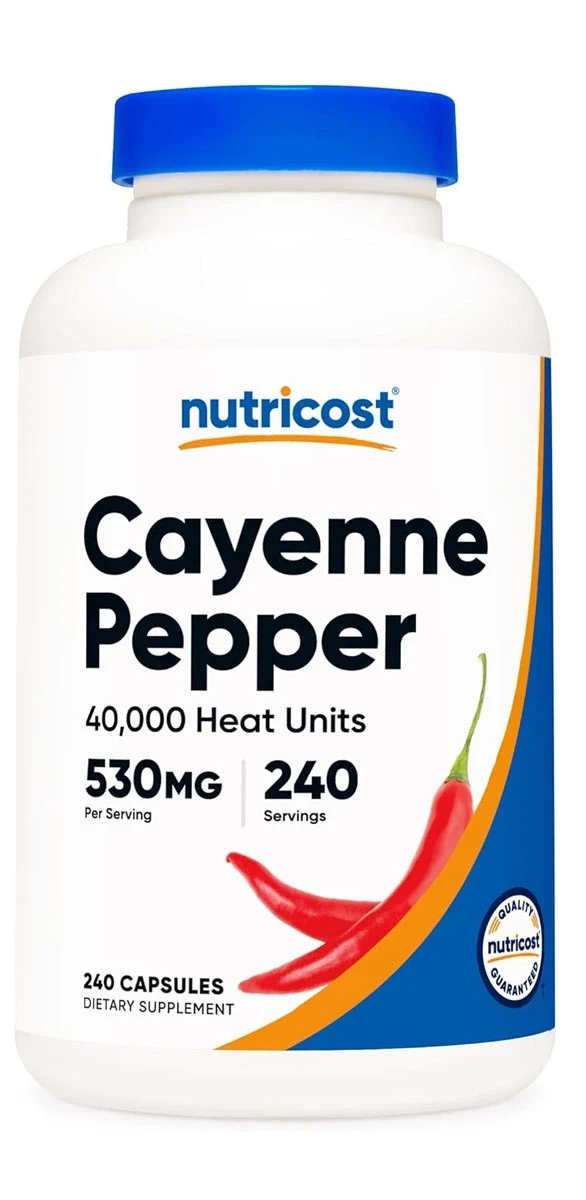
Nutricost’s Cayenne Pepper supplement provides 530 mg of cayenne pepper per capsule, standardized to 40,000 heat units. It’s designed to support metabolism and digestive health.†
Features:
- High-quality cayenne pepper extract†
- Non-GMO and gluten-free†
- Manufactured in a GMP-compliant facility†
How To Take It:
The manufacturer recommends taking one (1) capsule daily with 8-12 oz of water or as directed by your healthcare professional.
Wrapping Up!
This marks the end of our blog on curcumin and capsaicin. Thank you for reading! And as always, if there is something that isn’t clear, another question you might have, or if you have another idea for a blog, email us!
Are you looking for more to read? Check out some of our other blogs!
- Creatine for Brain Health: Can This Popular Supplement Boost Your Mind?
- Best Supplements For Low Magnesium (Review & Guide)
- Coq10 Supplement For Fertility: An Overview of Recent Research
- Bringing Balance Back: How Thyroid Supplements Can Help You Feel Your Best
- DAO Supplement for Histamine Intolerance: What It Is and How It Works
- Top 5 Supplements for Hyperprolactinemia That May Help Lower Prolactin Naturally
Warnings And Side Effects:
Not intended for use by persons under 18. If you are pregnant, nursing, taking any medications, or have any medical conditions, consult your doctor before use. Discontinue use and consult your doctor if any adverse reactions occur.
Disclaimer
† Same Day Supplements is a dietary supplement retailer and digital publisher. We do not provide personal medical advice, diagnosis, treatment, or emergency health services. If you are experiencing a medical emergency, contact your local emergency services or go to the nearest emergency room or urgent care center immediately.
The content on this blog, including text, graphics, images, product comparisons, ingredient discussions, customer experiences, and other materials, is provided for general educational and informational purposes only. It is not intended to replace professional medical advice, diagnosis, treatment, or guidance from a qualified healthcare provider.
You should consult your physician or another qualified healthcare professional before starting any supplement, diet, exercise, fitness, or wellness program, especially if you are pregnant or nursing, under 18, taking medication, have a medical condition, are sensitive to stimulants, have a history of high blood pressure or heart concerns, or are subject to athletic drug testing.
Our blog content may include product label information, manufacturer-provided details, published research, anecdotal customer feedback, and Same Day Supplements editorial interpretation. Any product discussion or recommendation is intended to help readers compare supplement options and should not be interpreted as medical advice or a guarantee of results.
Individual results may vary. Same Day Supplements makes no guarantee regarding the effectiveness, safety, suitability, or results of any product, ingredient, supplement stack, or wellness approach discussed on this site. Product formulas, labels, warnings, serving sizes, ingredients, availability, and regulatory status may change without notice. Always read the full product label before use and follow the manufacturer’s directions and warnings.
Information about ingredients, health conditions, medications, interactions, side effects, allergies, and precautions may not include every possible use, risk, warning, or adverse effect. If you have questions about whether a product is appropriate for you, consult a qualified healthcare provider before use.
Statements made about dietary supplements have not been evaluated by the Food and Drug Administration. Dietary supplements are not intended to diagnose, treat, cure, or prevent any disease.
This disclaimer supplements and is part of the Same Day Supplements website Terms & Conditions, Privacy Policy, and other posted policies and conditions of use.
